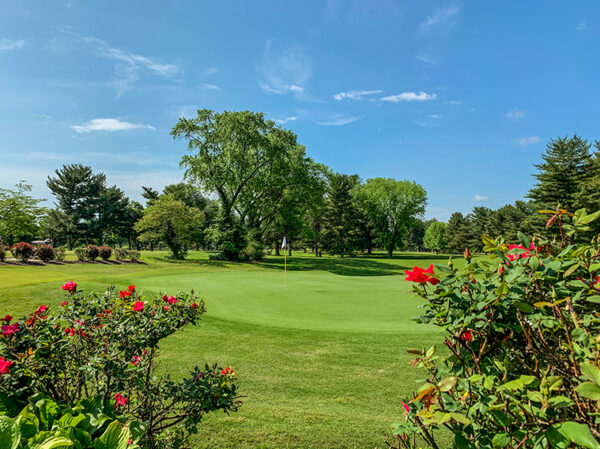
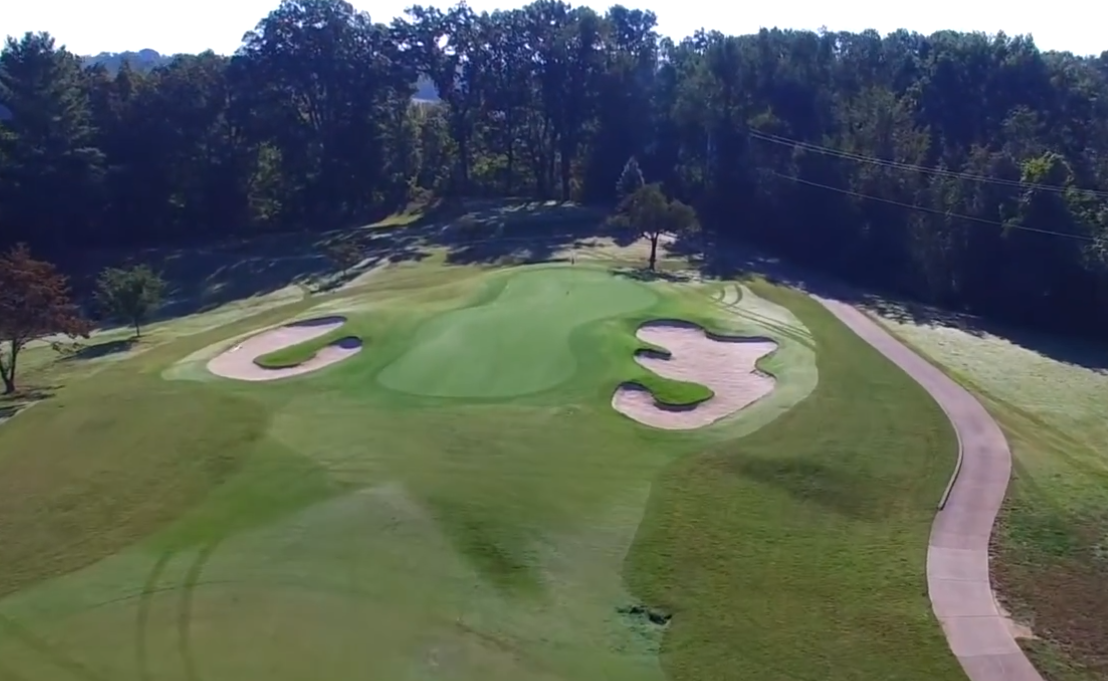
Indian Hills Country Club in Bowling Green, KY is a course that knows what it is: a solid value with one very clear strength and one very clear limitation. The strength is the greens—pure, true, and confidently defended. The limitation is the landscape, which can feel bland and exposed in parts, largely because a tornado a few years back stripped a significant amount of the tree framing that would normally give this place more visual definition. Through no fault of the club, the course lost some of its “parkland character,” and you feel that.
This course was reviewed as part of a broader Journal entry exploring private golf courses in the Bowling Green, KY area.
But golf courses aren’t judged on how good they look in a real-estate brochure. They’re judged on what happens when you’re standing over a four-footer that matters. Indian Hills does that part very well.
What Works: If you’re the type of golfer who cares how a ball rolls (rather than how a hole photographs), Indian Hills is speaks your language. The greens feel like the center of gravity for the entire course. They’re the kind of surfaces where you can actually commit to a read, hit your putt, and then accept the result like an adult. No mystery hops or weird patchwork. Just an honest roll and enough contour to keep you paying attention.
Indian Hills doesn’t rely on gimmicks to create interest. It leans on sensible golf: angles, position, and greens that ask you to hit the correct quadrant rather than just “somewhere up there.” You can score if you drive it well and control distance. You can also get punished if you don’t (a lesson I learned quickly with a classic left-headed-left, miss off the first tee), without the course feeling unfair about it.
Indian Hills feels like a club that prioritized playing quality. It doesn’t try to sell you vibes. It sells you a round that holds up over time, especially if you’re someone who measures a course by replayability rather than novelty.
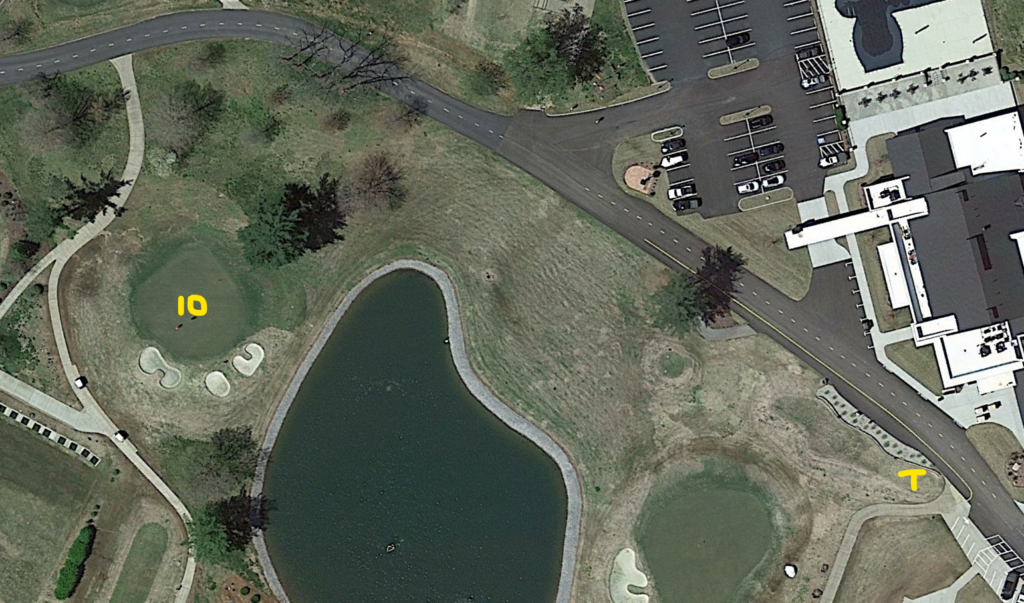
Best Hole: The mid-length par-3 tenth hole is the best hole at Indian Hills, because it combines real design pressure with social pressure, creating both excitement and a slightly uncomfortable pressure.
An overhead view of the tenth hole at Indian Hills Country Club
The design pressure is obvious: the hole is guarded by water and a tiered green that’s effectively saying, sure, hit the green—now pick the correct layer of the green. Between the water, the tiers, and the way the putting surface is protected, the target plays smaller than you want it to. You can’t just “find the green” and relax. You have to hit the right part of it, or you’re immediately putting from a different zip code.
Then there’s the setting: it sits in front of the clubhouse, where people are arriving, leaving, lingering, and absolutely not watching you (except they are). And, because it’s near the traffic flow toward the pro shop, the consequences of a truly bad miss aren’t just “bogey,” but rather an ad for an insurance commercial. The water, the tiered aspect of the putting surface, and the guarded target already demand commitment. Add the clubhouse spotlight and the very real incentive not to create an insurance claim, and suddenly your pre-shot routine gets unusually tense. It’s a great hole. It’s also a great reminder that a large part of golf is mental, and that is not always a positive.
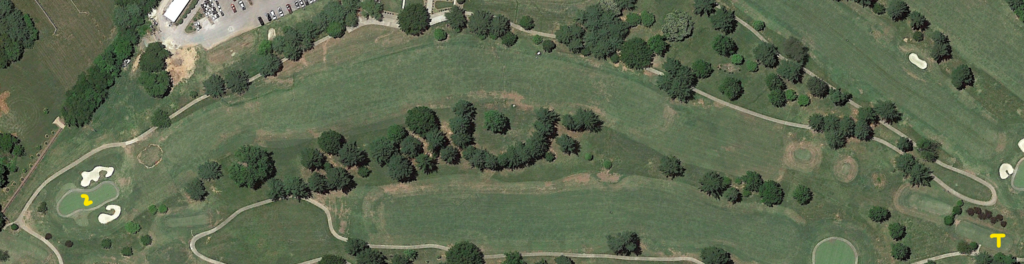
Interesting Hole: The second hole, a long par-5, is interesting because it’s one of those par 5s where the tee shot doesn’t just start the hole, it writes the plot. This is not unique on its face for par 5 holes, but the angle of the tee shot here is what creates the intrigue.
An overhead view of the second hole at Indian Hills Country Club
Hit a proper tee shot and you have a realistic chance to cash in, or at least put the hole into an aggressive posture. Miss the tee shot and the whole thing turns into a long, responsible three-shot exercise where your best outcome is “par with minimal emotional damage.”
The approach is what makes the hole stick, though: the green is extremely narrow on approach. Get out of position, and a chip shot may starts to look like the tenth green at Riviera or the fourth at Spyglass Hill. It invokes that same feeling that the green isn’t a target so much as a runway, and your window is only open if you earned the correct angle first. If the approach shot is even slightly wrong, the hole doesn’t scream at you. It just quietly removes birdie from the menu and hands you a stressful up-and-down, or a long putt coming back down a tiered green.
The second hole at Indian Hills Country Club
It’s a smart hole because it rewards positional golf in a way that’s very legible. You’ll know exactly what you did right or wrong.
Limitations: This is the limitation that keeps Indian Hills from feeling “special” in the purely visual sense. Without the tree-lined framing the course used to have, parts of the property feel more open and exposed—less definition, fewer dramatic visuals, fewer moments where you stop and say “that’s a picture.” And again, this matters: trees don’t just add beauty. They add shape. They provide boundaries and contrast. When they’re gone, the course can feel flatter and more uniform even if the golf itself is still strong. The upside is that the course didn’t try to compensate with artificial tricks. It stayed honest. The golf holds up. The scenery just isn’t going to carry the day.
Final Thoughts: Indian Hills is a course that is quietly good. It’s not trying to compete with destination golf on aesthetics, and it doesn’t need to. The value is in the quality of the greens and the way the course asks you to play real golf: good angles, good speed control, and to navigate the defense around the targets on approach.
If you need your round to feel cinematic, you may find yourself wishing for the older tree canopy to return. But if you care about the playing experience (and especially if you care about putting surfaces), Indian Hills delivers a round that’s better than the scenery suggests.
And if you want a single moment that captures the day: stand on the 10th tee, look at the water, look at the tiers, notice the clubhouse energy, and then remember that someone’s windshield is probably more expensive than your green fee.