
Time to Read:
|
This Green Valley Ranch Golf Club review is based on a round played in 2026.
Green Valley Ranch is a public course in Denver, CO.
CR&J’s Final Rating: 59/80 (Best in State Contender)
Learn More: How We Rate Courses
Sometimes, it is the ones you least expect. At least, that’s my story at Green Valley Ranch. On a last minute trip to Denver and needing an early tee time, I scoured the internet for any course with a very early single and found very little. However, Green Valley Ranch had an opening. I booked the round, largely sight unseen. Little did I know that what I would come to find is the perfect extension of our last article about Gamble Sands. There, we discussed how a spectacular setting can inflate opinions about a course’s architecture. Green Valley Ranch is the antithesis: strong architecture in an ordinary setting, and largely ignored because of it.
$80, including range balls, and I was first off the tee on a random, cold Tuesday morning. My expectations were as low as they could be, as there’s little to no discussion of Green Valley Ranch on the internet. Golf Digest doesn’t rank the course in the Top 30 in Colorado. Top100GolfCourses.com does not rank Green Valley Ranch in the Top 50 in Colorado. There is very little discussion of this course anywhere, and accordingly, I figured this would be a random, run of the mill public course.
There’s a certain tension with the consensus though: Green Valley Ranch, as I’d come to find out when I arrived, is the longtime host of the Colorado Open, the Colorado Women’s Open, and the Colorado Senior Open. Green Valley Ranch has hosted all three tournaments for over twenty consecutive years, and the Colorado Open has the largest prize pool of any State Open.
That doesn’t happen on bad golf courses.
Additionally, Green Valley Ranch has serious architecture pedigree. A Denver transplant architect designed GVR and it opened in 2001. That transplant was Perry Dye, eldest son of Pete Dye. Perry had a much more successful design career internationally, but I’m sure if we could speak with the late Perry Dye, he would probably consider GVR to be one of his most important courses. Perry Dye went to the University of Denver and lived and died in Denver. He had previously designed three courses in the Denver area: Plum Creek Golf & Country Club, Riverdale Dunes Golf Club, Glenmoor Country Club all of which opened early in his career, in the 80’s. These three were all developed with his father, for which Perry shared design credit.
But Green Valley Ranch was opened 15 years later, and is the only course in his hometown that Perry designed without his father. I can only speculate, but I can imagine he viewed GVR as quite the homecoming.
To me, it showed.
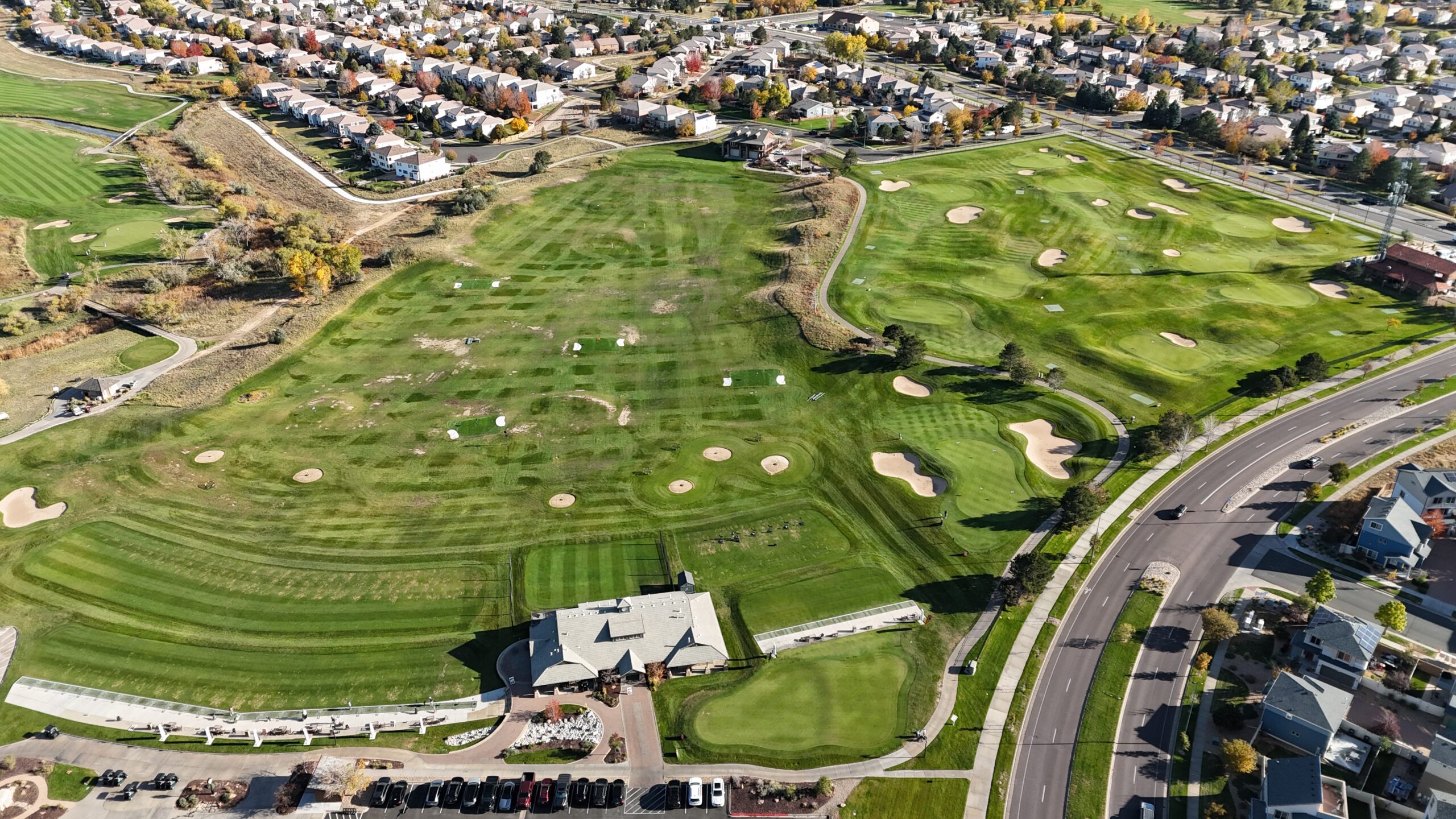
Green Valley Ranch has a tough setting to work with: mostly flat land on the plains east of Denver, just south of the airport. Construction continues all around the property, and houses are visible from much of the course. There’s ample space before the homes are reached, and none are reasonably in play (I still hit one).
But what Perry Dye did with the land inside those boundaries is where the course comes alive. Rather than bulldozing the property flat, he routed the holes through preserved wetlands, creek gullies, and native prairie grasses, and those areas become the hazards, the framing, and the character of nearly every hole. Courses routed through subdivisions tend to get held back in the rankings, regardless of what’s inside the ropes. At Green Valley Ranch, the underlying architecture deserves far more appreciation than the current discourse allows.
The First Tee
Perry borrowed a page from his father’s playbook here. Pete often designed the first and tenth holes as near-twins so tournaments could run two-tee starts with a fair, matched opening hole on each side, as he did at TPC Sawgrass and Kiawah’s Ocean Course. At Green Valley Ranch, the first and tenth are remarkably similar: forced carries off the tee into mid-length par-4s. It’s a fitting choice for a course that has hosted the Colorado Open for more than two decades.
The first is a gentle opener, not demanding much more than just a decent drive and decent approach.
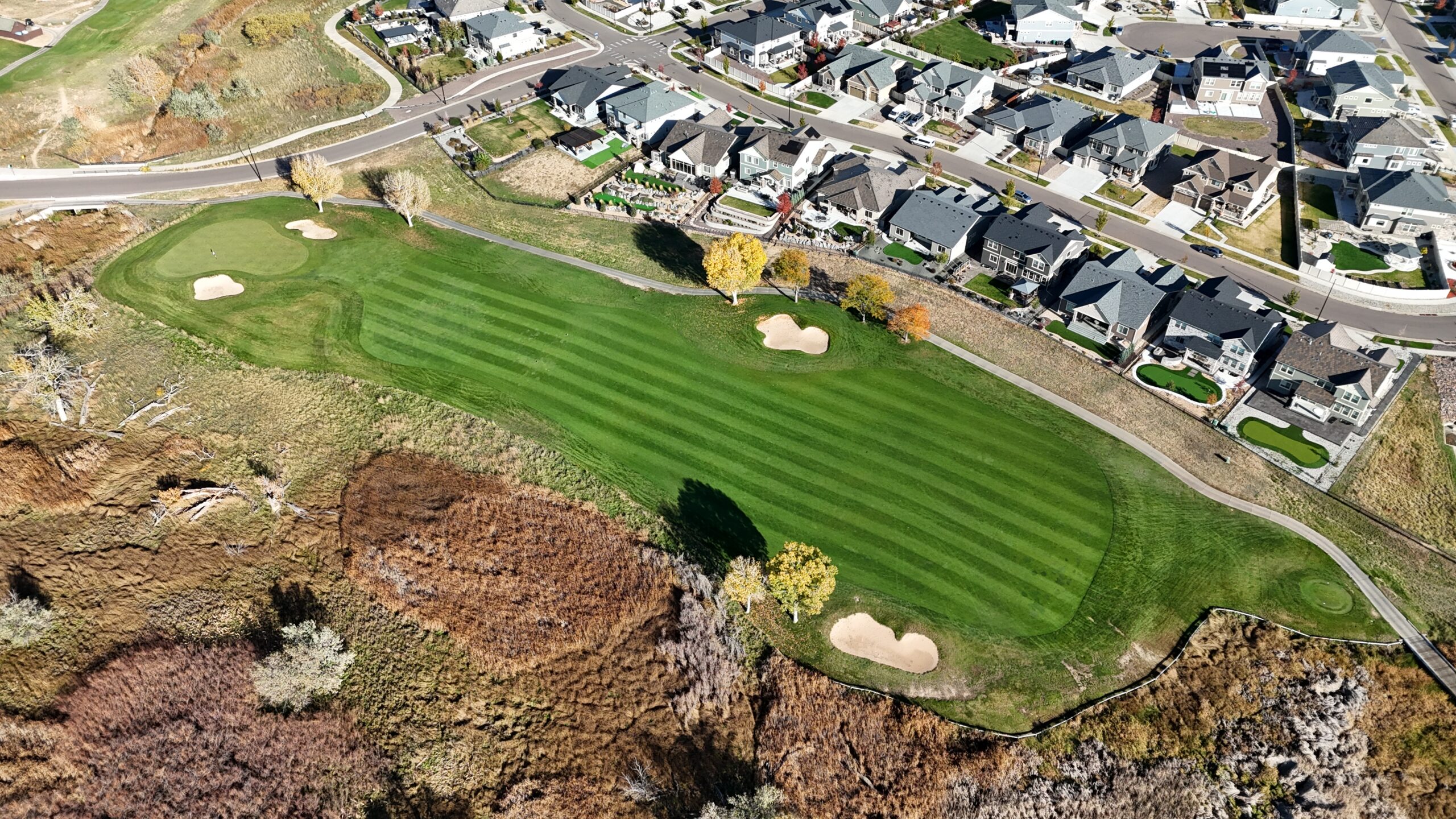
From the tee, there’s just one fairway bunker on the right of the wide landing area to negotiate, but the area is narrowed a bit due to the angle of the fairway relative to the tee. A triangle shaped green, somewhat flat, tilted a touch left-to-right makes for a great birdie opportunity and an opportunity for an easy par, provided the first tee nerves are handled successfully.
The first hole also establishes a theme at Green Valley Ranch: too far off the beaten path will leave the ball in those preserved wetlands or native prairie grasses, which make for dicey recoveries if the ball can even be found. Fortunately, most holes provide ample space, like the first, to avoid such outcome.
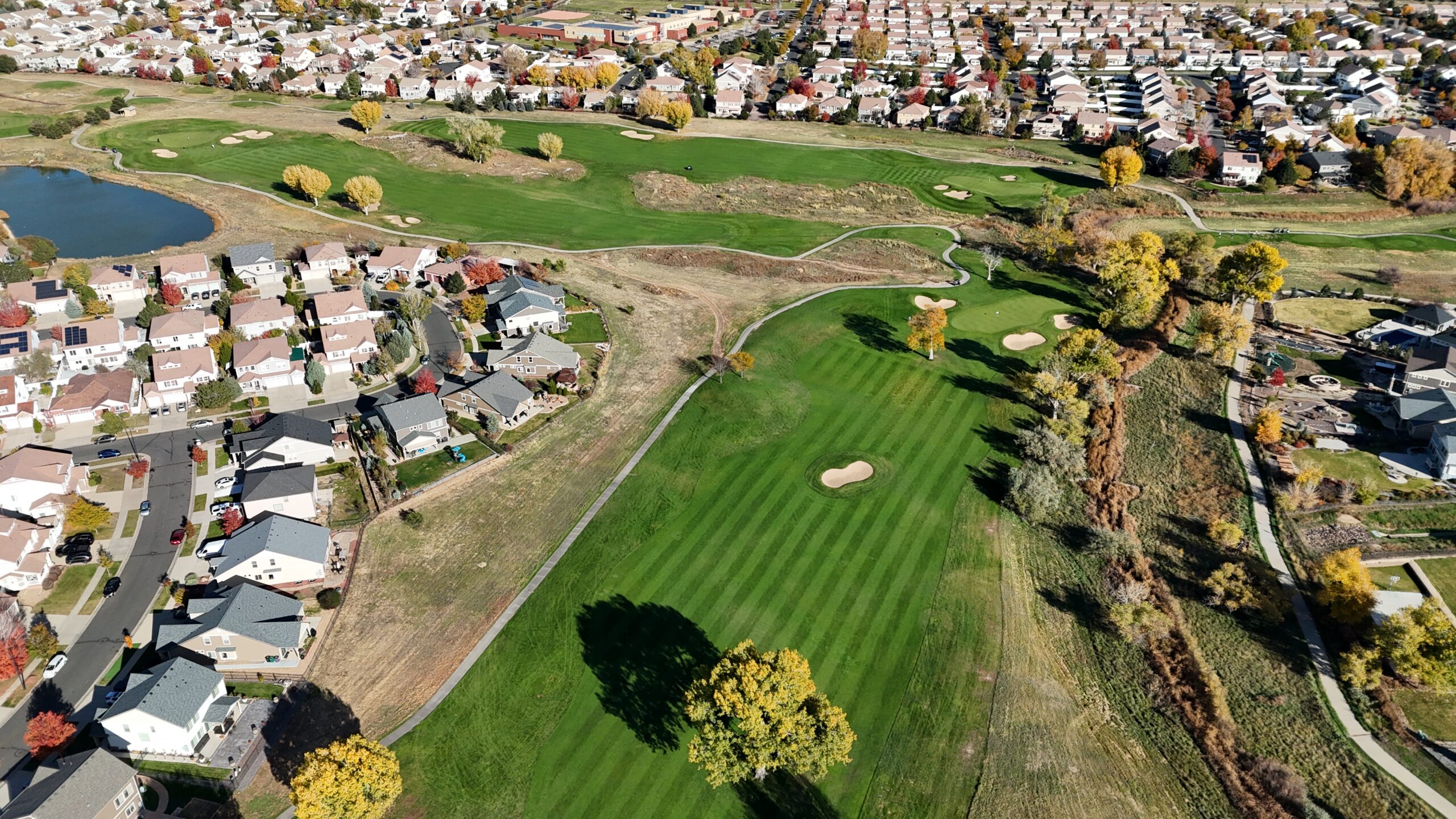
The second hole is a mid-length par-5, where the drive is complicated by a large oak tree that takes up most of the right half of the fairway; perhaps another idea Perry borrowed from his father. There are actually multiple shots that require a golfer to take smart angles in order not to get blocked out by a tree, and the second is the first of those opportunities.
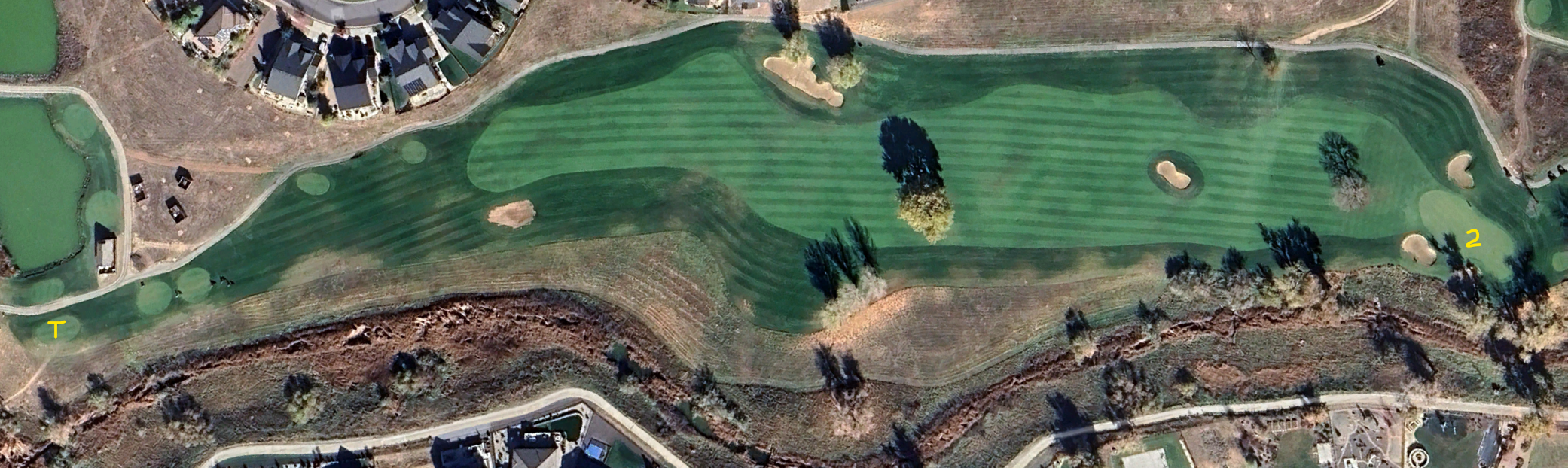
That tree is about 350 yards from the back tee, meaning that it will have to be negotiated early in the flight of the second shot. But, that is not the only tree. There is another, smaller tree that also needs to be navigated about 50 yards short of the green.
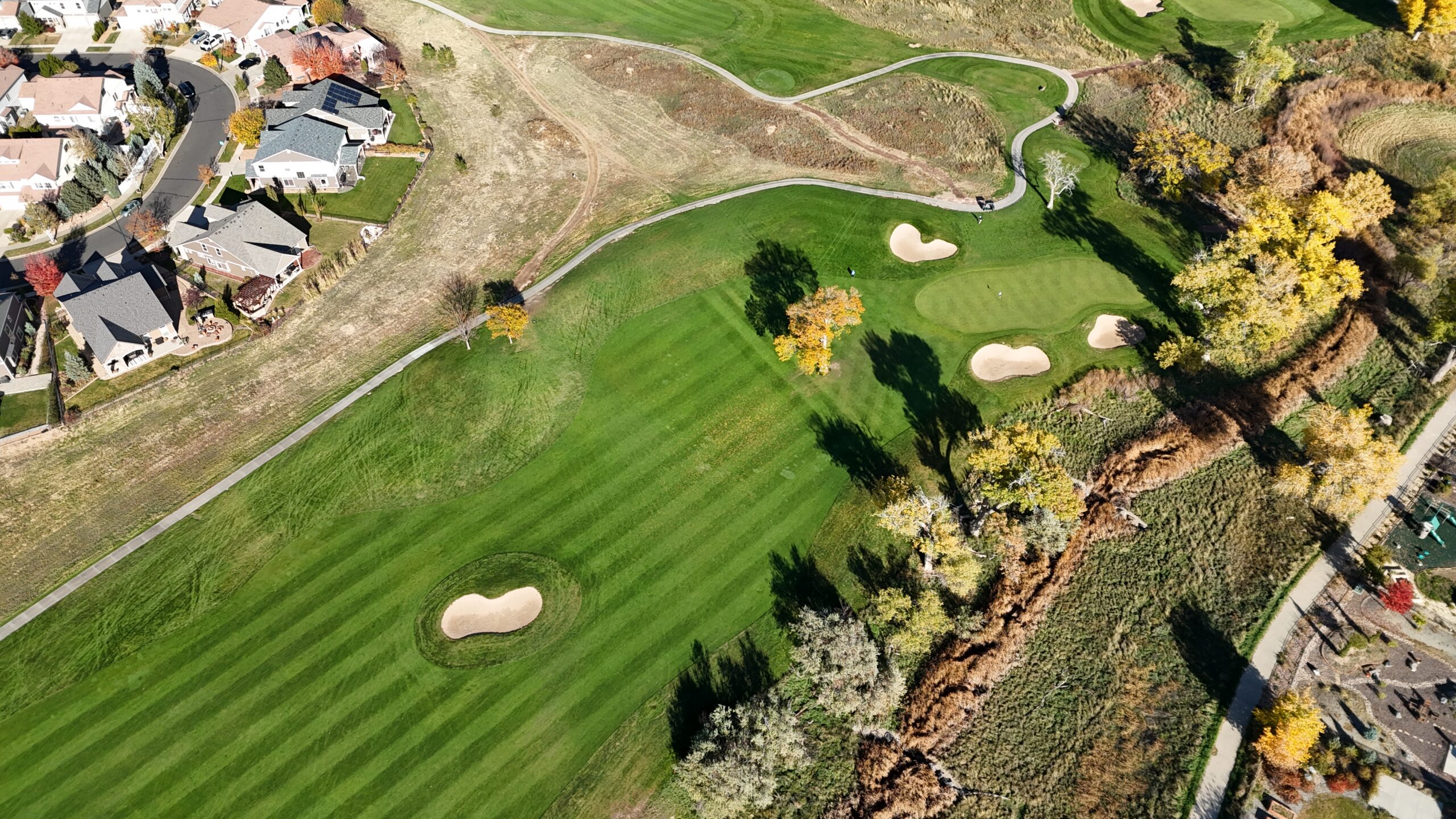
A golf course architect named Dye forcing a golfer to navigate his or her way around an awkwardly placed tree; stop me if you’ve heard this one before.
The third hole is a mid-length par-4 playing ever so slightly uphill. The property here at Green Valley Ranch is remarkably flat, so even the slightest elevation change is worth mentioning.
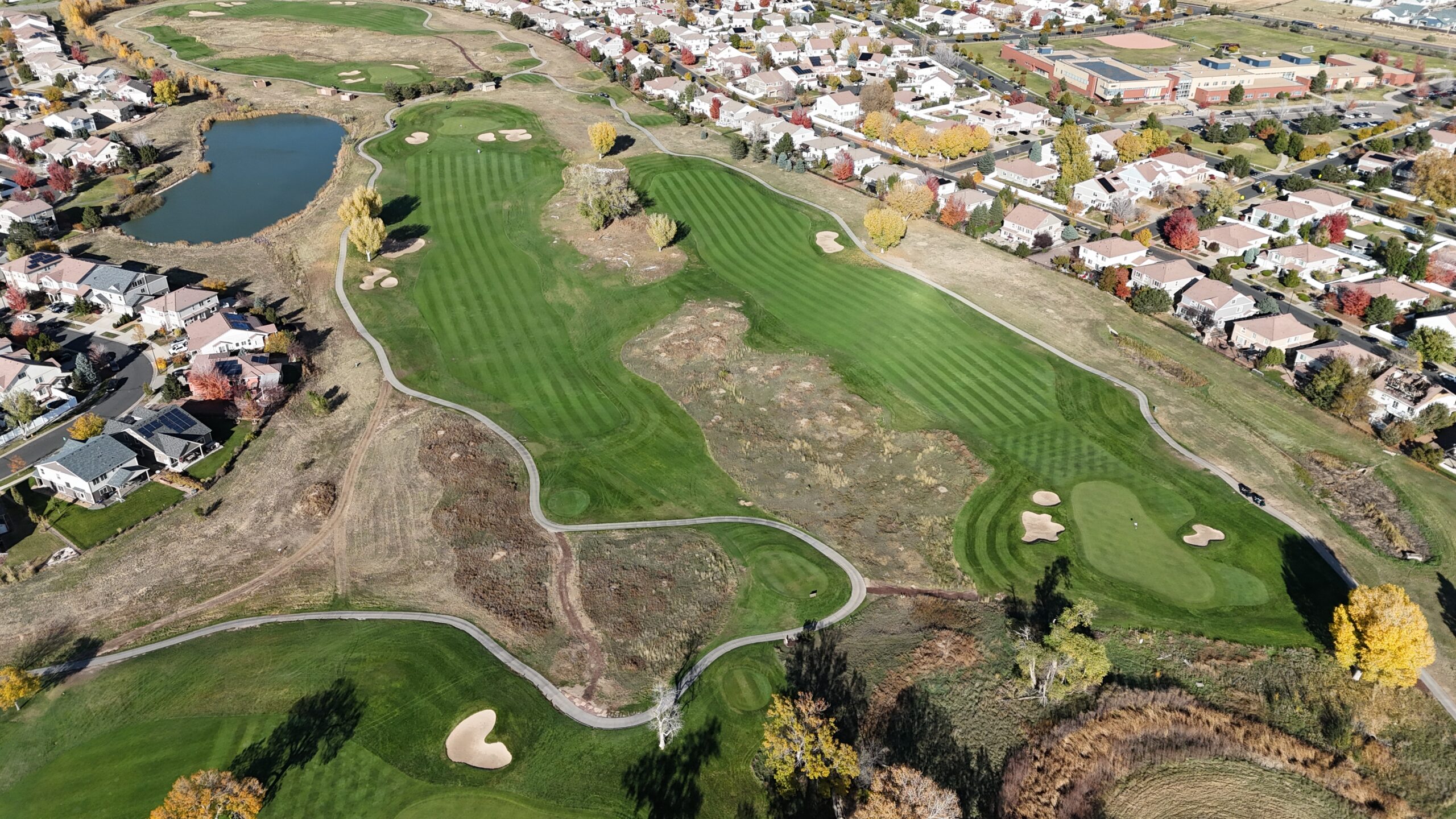
A few fairway bunkers squeeze the fairway on the right, but overall this hole is a straightforward connecting par-4. The green complex is interesting here, pitched decently from back to front, in one of the most significant overall grades at GVR.
The fourth and fifth are a fun pair of half-par holes. The fourth is a short par-4 that most players will have a chance to reach from their tee box. From the furthest back tee, 296-yards reaches the front edge. And remember, we are in Denver at elevation, and the ball goes quite far here. Of course, the option exists to lay up out to the right past the fairway bunkers. The only birdie in our group came from laying up, but eagles are in play here.
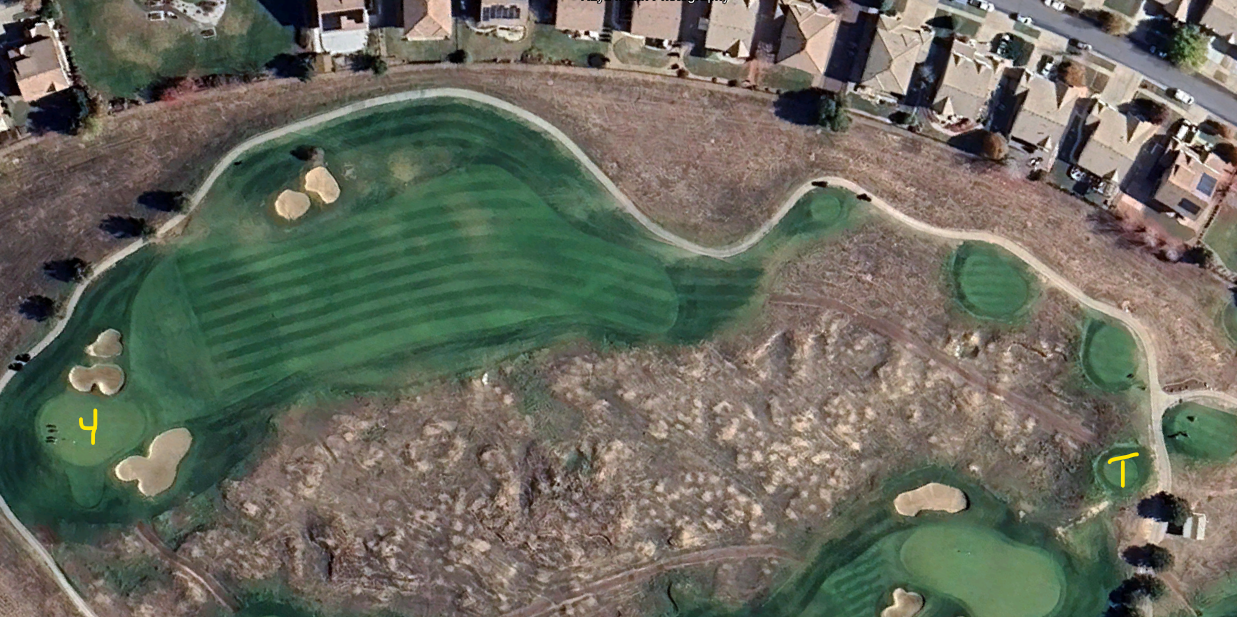
The green here is quite tame for a reachable par-4, and I think Perry wanted this hole to yield a number of birdies, knowing that the fifth would be a popular spot for bogeys.
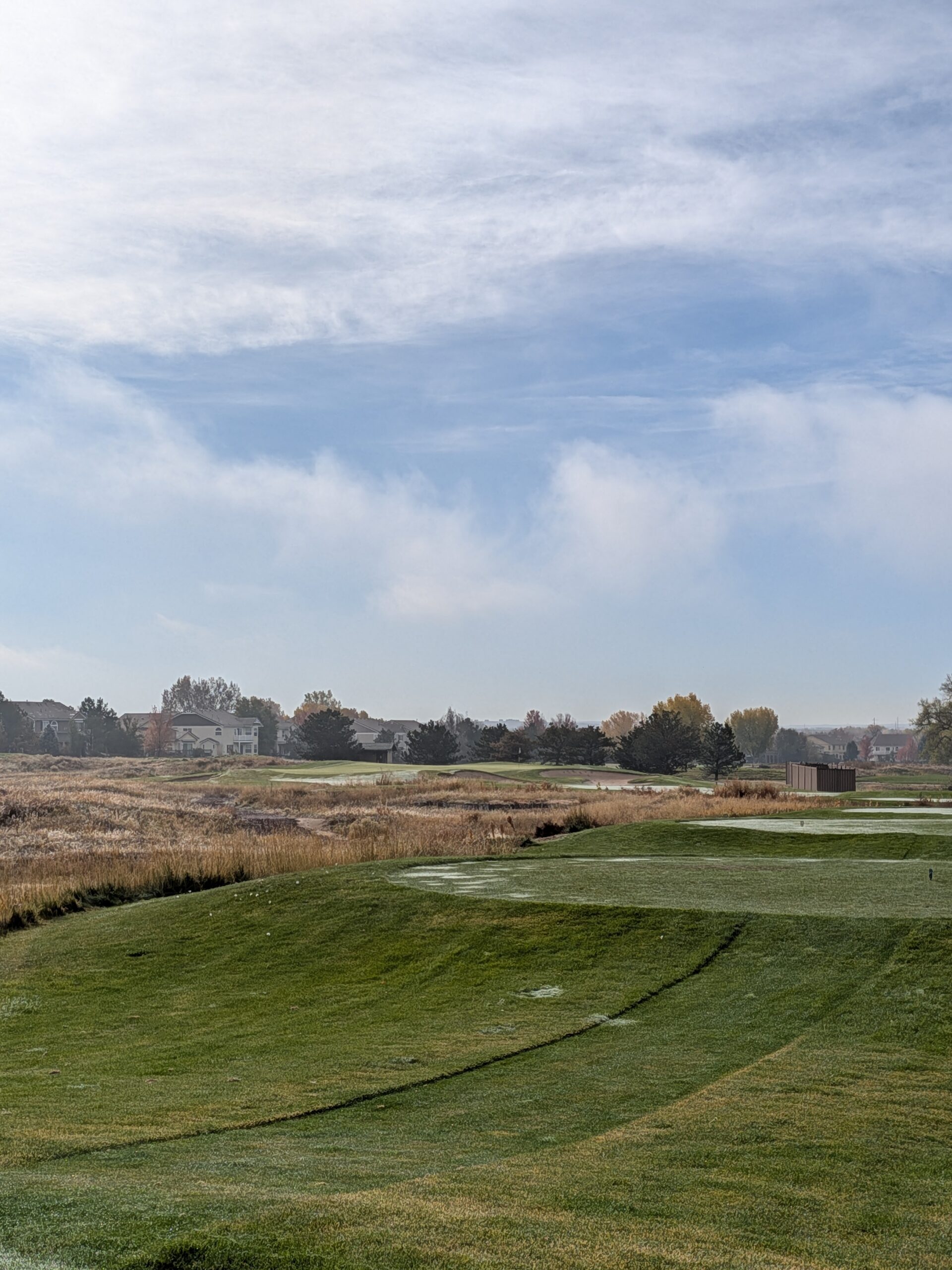
The fifth is a long par-3 where Perry brings the hammer down twice, first with length being 220-yards from the back tee, and then with the undulation on the green. While the putting green is large here, it can only be reached by fully carrying two cross bunkers, and the green here has multiple spines and ridges that leaves few certain two-putts.
The sixth hole plays back down the same slope that the third climbs. The sixth is another mid-length par-4 that starts wide and narrows significantly as the green is approached. The green here is another large green, angled in the challenging short-left to long-right direction, meaning this green can be a bit hard to hit, particularly from the right side of the hole.
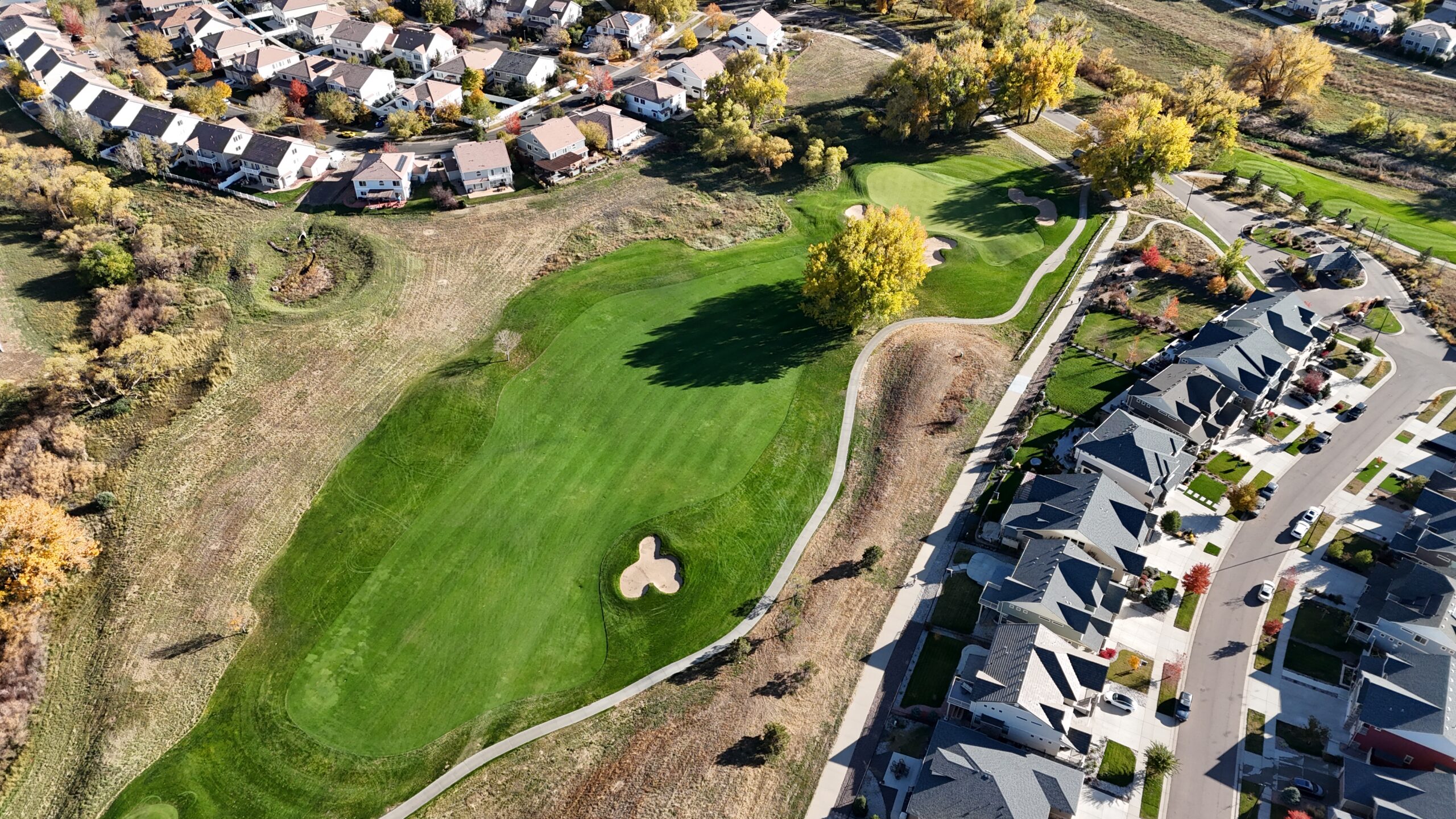
The seventh hole may be the most interesting hole on the front nine at Green Valley Ranch. The short par-4 is less than 350-yards from the back tee, and starts with an extremely wide fairway with ample opportunity to hit whatever club you’d like out into the wide fairway. But, depending on where the pin is located on this extremely large green, the trees on the right can completely block out a wedge shot to middle and right sided pins if a ball finishes on the right side of the fairway.
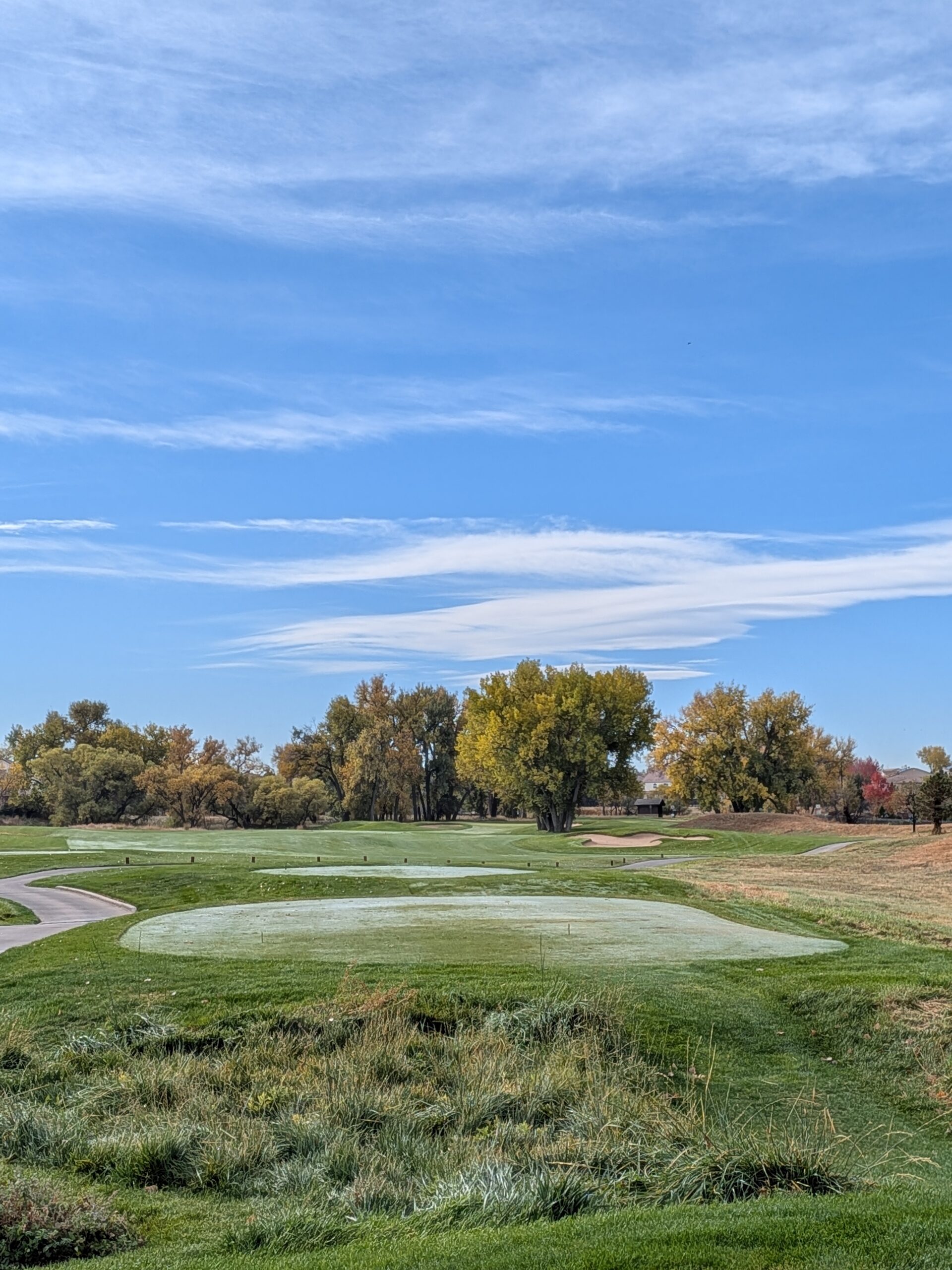
It is rare that a green on a 350-yard par-4 would be this big: 50 yards wide by 30 yards deep, more of what I would expect on a 500+ yard par-4. But the genius here is the relation between that short carry bunker that most players will be sure to go over, and the trees on the right. Ultimately, the tee shot must be placed left of center, or else birdie is erased unless the perfect trick shot is executed.
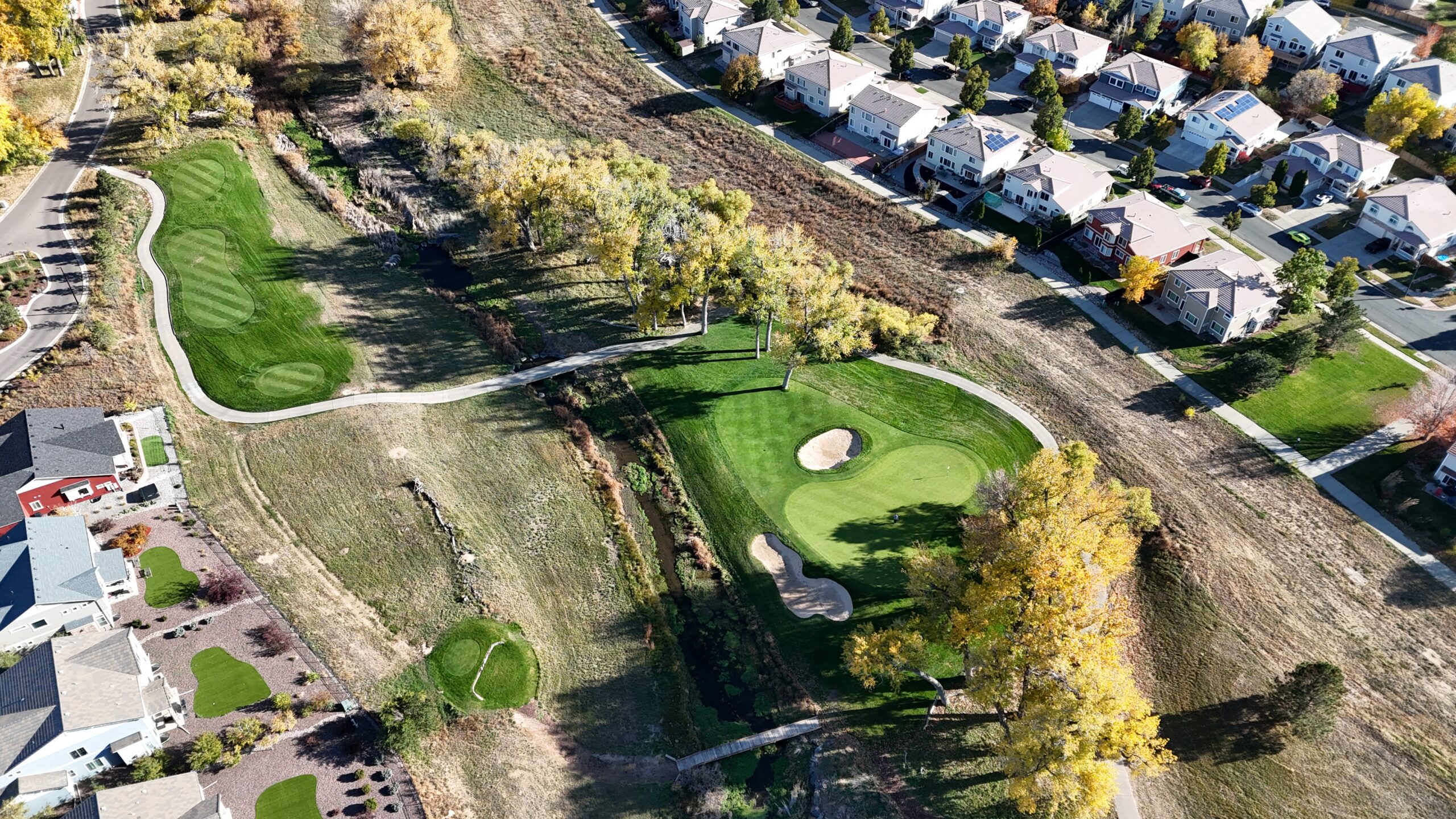
The eighth hole is an excellent mid-length par-3 playing at an angle across a small stream. Encroaching trees on the left squeeze the shot and a lion’s mouth bunker creates a significant carry obstacle. The putting green is also interesting here. The eighth is the most aesthetic hole on this front nine.
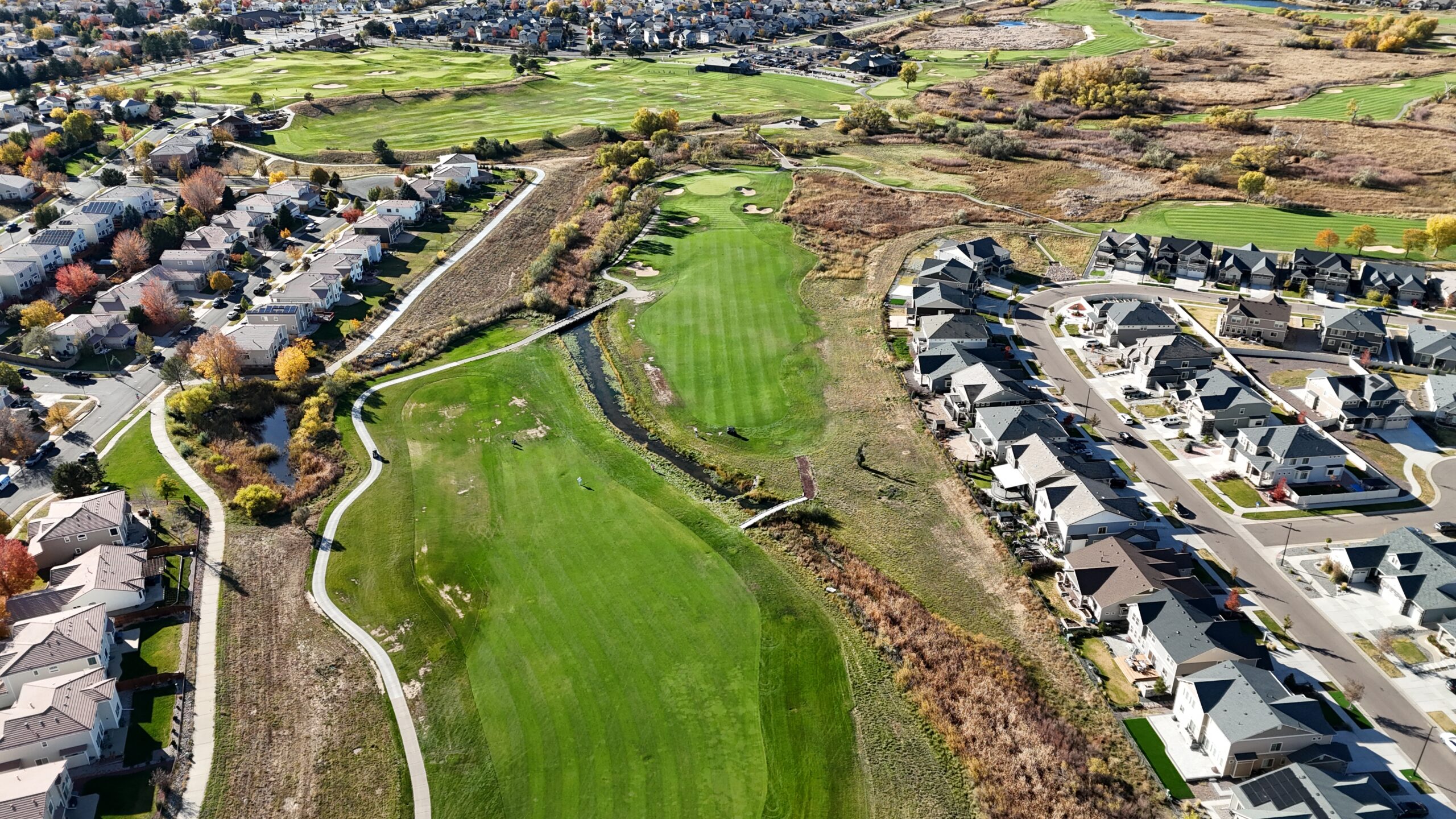
Lastly, the ninth hole is a risk reward par-5 of medium length. Reminiscent of the ninth hole at TPC Sawgrass, the stream that runs to the right of the eighth hole bisects the fairway on the ninth.
A player can choose to play safely and layup, turning the hole into a three-shot hole. Slightly more risk tolerance may lead a player to push the tee shot up the left side towards the cart path. While this would not require any forced carry, the fairway on the left narrows considerably towards the end, and even if successful, leaves a tough angle to reach the green in two. Lastly, for those with the highest risk tolerance, carrying the stream into the narrow section of the right fairway.
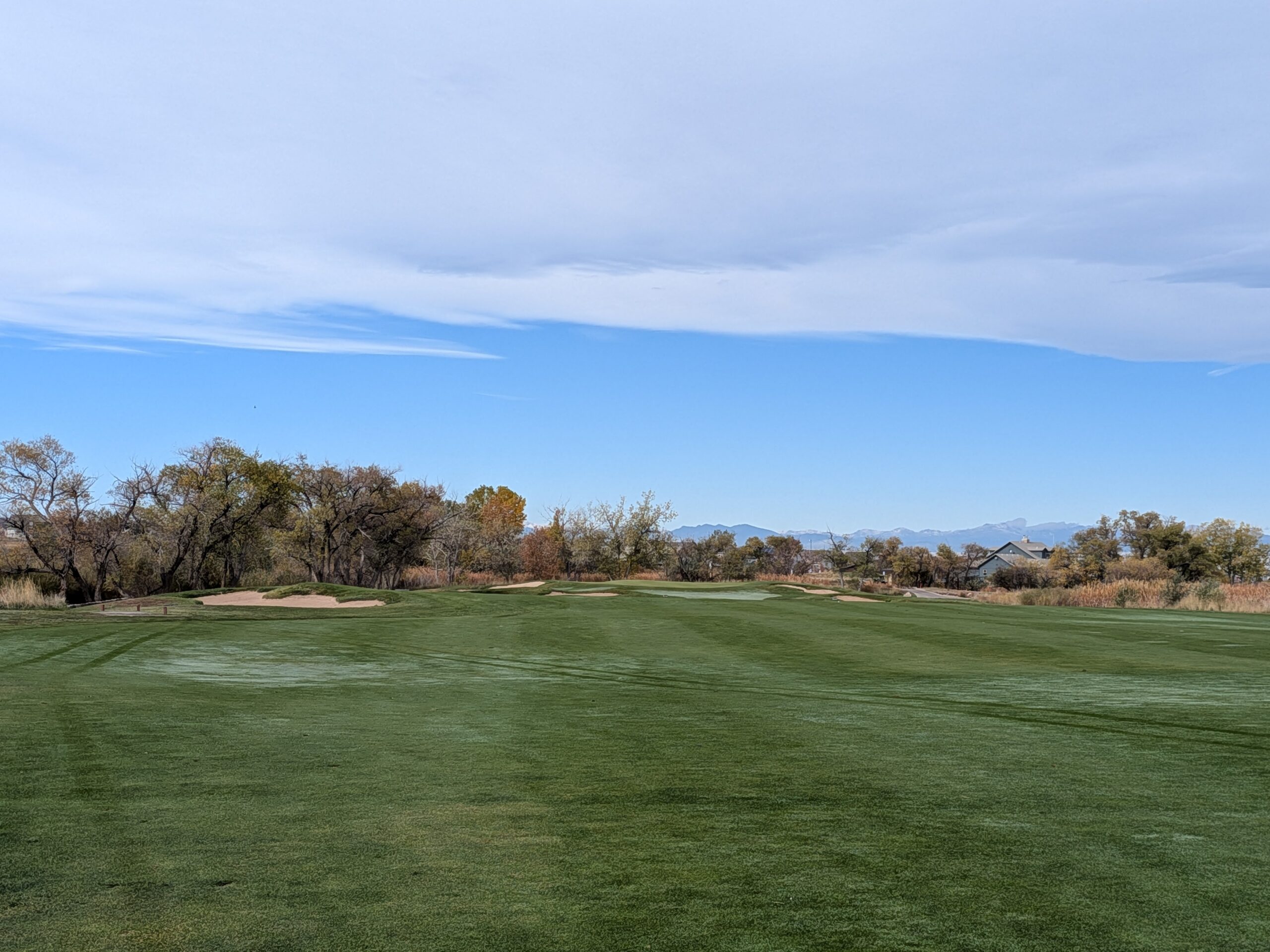
High risk; high reward, as this will leave a long-iron from a great angle into the green, and open up a legitimate eagle opportunity. The putting green here is benign, meaning a good approach shot here will yield an above-average chance at a made putt.
Making the Turn
The tenth hole, as mentioned, is very similar to the first hole. The tenth doglegs to the left slightly more than the first, and some may choose less than driver off this tee, as the fairway gets very wide before narrowing in the landing area.
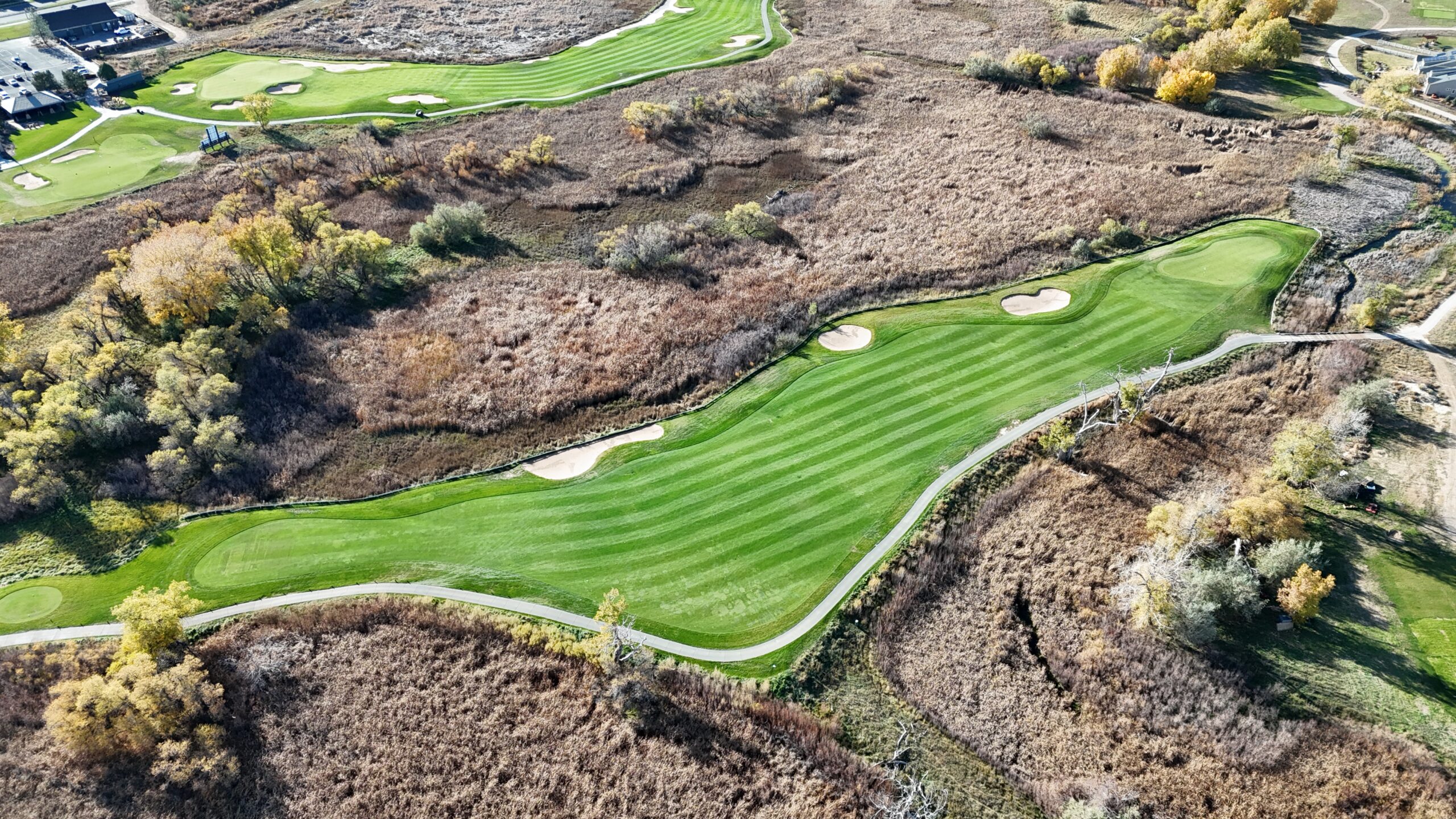
All in all, this hole is also a gentle opener from tee to green, but getting off the fairway here is a bit more penal than the first hole. The green on the tenth is a bit more tricky than the first, with significant pitch from right to left, making right side misses very difficult to recover from. The approach is also a bit more difficult than meets the eye, as the native grassy areas and wetlands wrap around the green, particularly tight on the right.
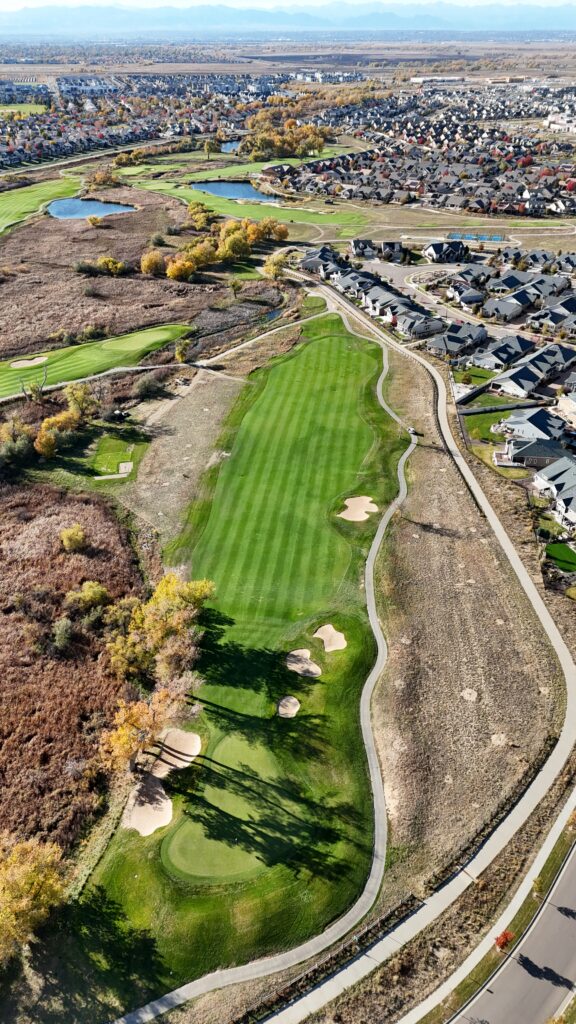
The eleventh then repeats a theme that will be repeated once more by Dye, as the mid-length par-4 uses medium sized trees to squeeze the approach. While not as severe as the seventh (or upcoming sixteenth), the overhanging trees on the right severely punish any approach miss to the right. Interestingly, all of the greenside bunkers on the left sit short of the green here at the eleventh.
The eleventh is another hole at Green Valley Ranch that features some elevation change, as it works up a hillside, and the tee shot is partially obscured by this change in elevation – a true oddity at Green Valley Ranch. It is also worth noting how much buffer is between the golf and the houses, another repeated theme at Green Valley Ranch on the holes with homes. I think this represents a masterful job planning home sites without encroaching on the playability of the course.
After a short drive across the street, you meet back up with the second hole again, as the twelfth tee box is right beside the tee box for the second hole, with the twelfth playing perpendicular to the second hole. The twelfth, like the second, is a mid-length par-5 with some options off the tee.
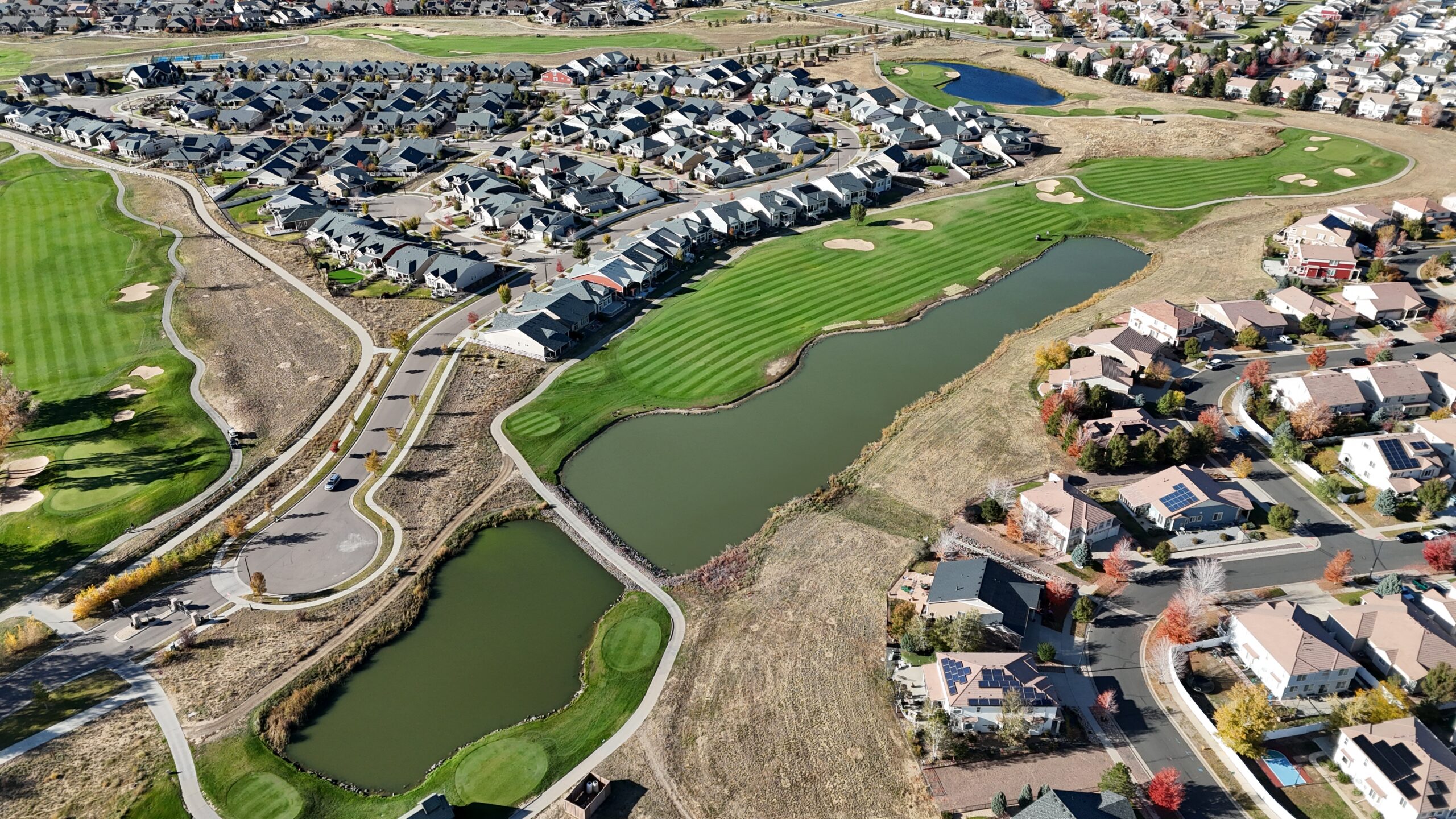
Off the tee, the first bunker on the left chokes the landing area for driver, leaving two distinct options: (1) attempting to hit driver into the choked area between the bunker and the water, or (2) laying back behind the bunker with a fairway wood.
The first option opens up the potential to play the hole as a two-shot par-5, but is no guarantee. From the bunker, the hole plays 250-yards uphill to the smallest green at Green Valley Ranch. The safer option is option two, but the second shot is sneaky difficult, as the layup area short of the green is wide, but deceptive optically and pitched from left-to-right, shrinking the playable area.
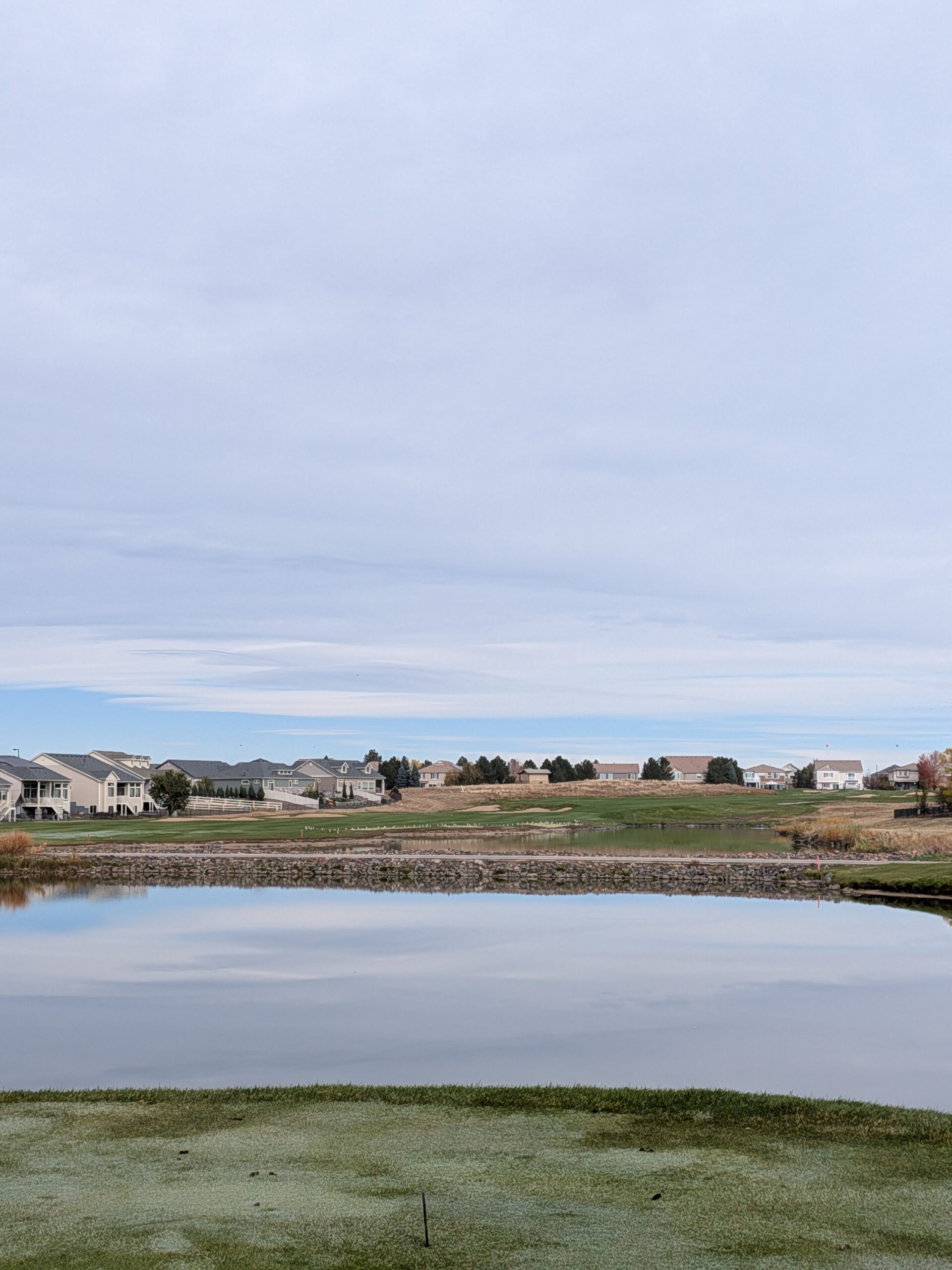
Up by the green, a litany of bunkers dot the right side of the green, while a lion’s mouth bunker dots just short right of the middle of the green, complicating approaches to left hand pins, and waiting to gobble up any well-struck, slightly off-line attempts to reach the green in two. Unlike the massive green at the short par-4 seventh, this green is only 30 yards by 15 yards wide, resulting in a 4,300 square foot green – the smallest at GVR (roughly tied with the eighth and tenth), and without a ton of internal undulation (the average green at GVR is around 5,500 sq. ft.).
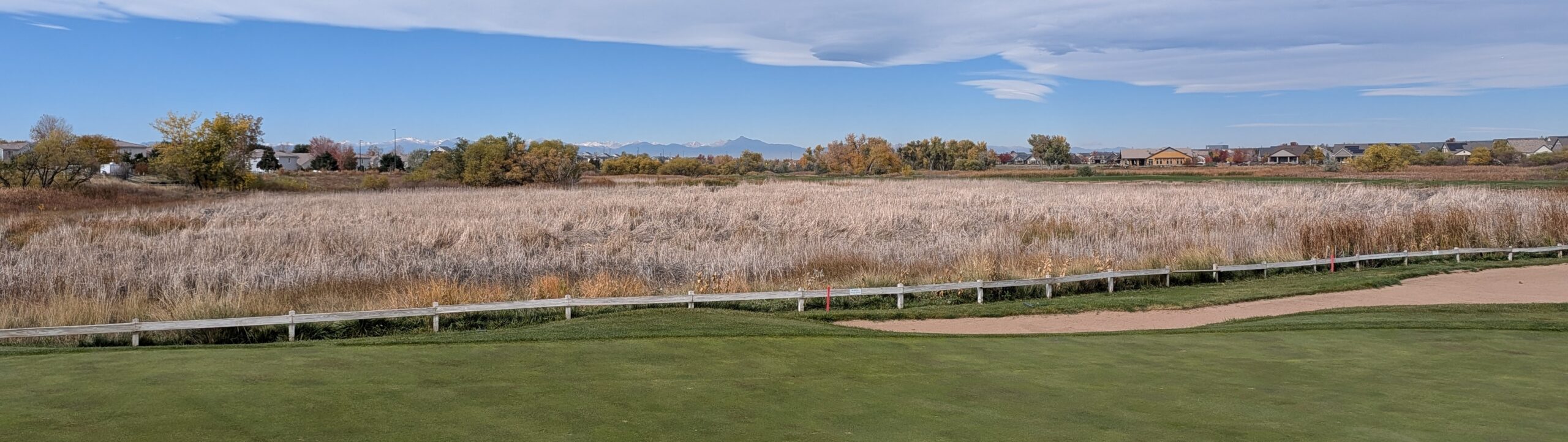
The next three holes invoked more design language from Pete Dye’s repertoire than Perry’s. The first of this stretch, the short, downhill par-3 thirteenth, sits on a peninsula fronted by water and framed by a wood retaining wall in a way that would have made Pete proud. The thirteenth may be the simplest hole on the property, but one of the most aesthetic, if not a bit cookie cutter. The hole is pretty in its own right, but reveals the best look at the Rockies on the skyline that Green Valley Ranch has to offer (of which I sadly forgot to take a picture).
The fourteenth and fifteenth holes presented to me as little brother and big brother and strongly invoked that Pete Dye strategy language.
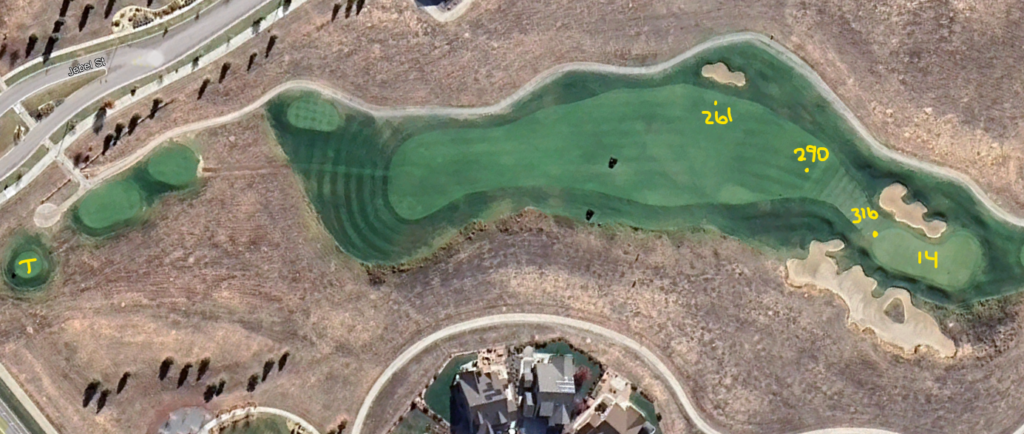
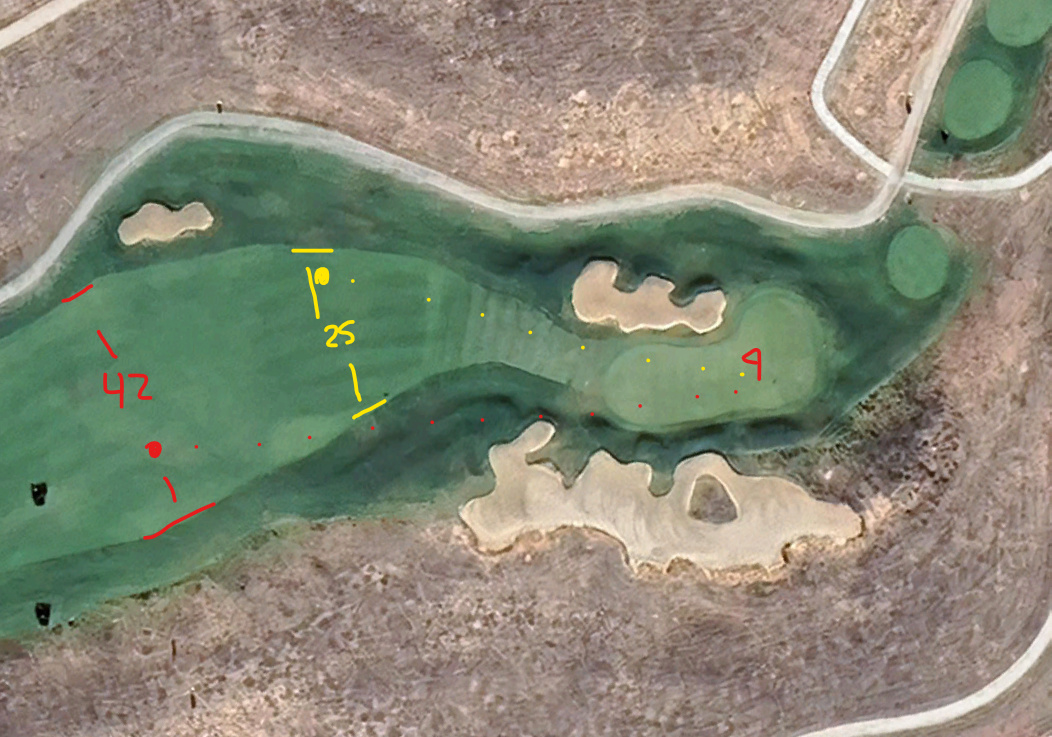
The fourteenth is a short risk-reward par-4, which could be reached from the tee. Of course, the option to go directly for the green is on the table for the longest hitters, but it will require a threaded needle between a deep, waste-like bunker to the right of the green, and another challenging bunker left of the green.
Most players will have a more conservative strategy, but even then, how conservative matters. The further the player pushes the ball up the fairway, the better the angle to the green. Laying further back into the middle of the fairway will still require navigating the bunker on the right as a cross bunker.
The putting green here has a small ridge bisecting the front half of the green, heavily pitched back-to-front on the front third of the green.
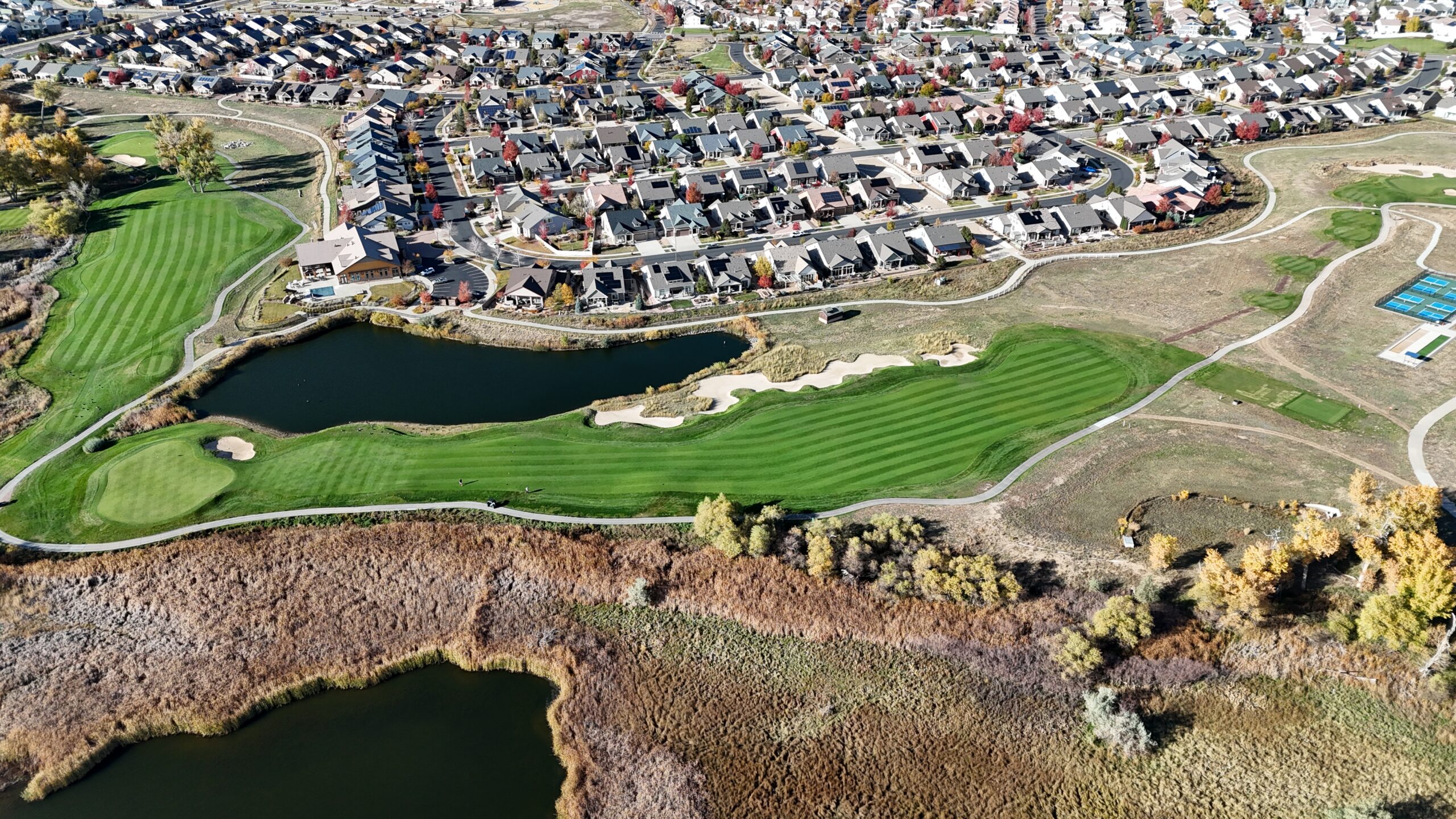
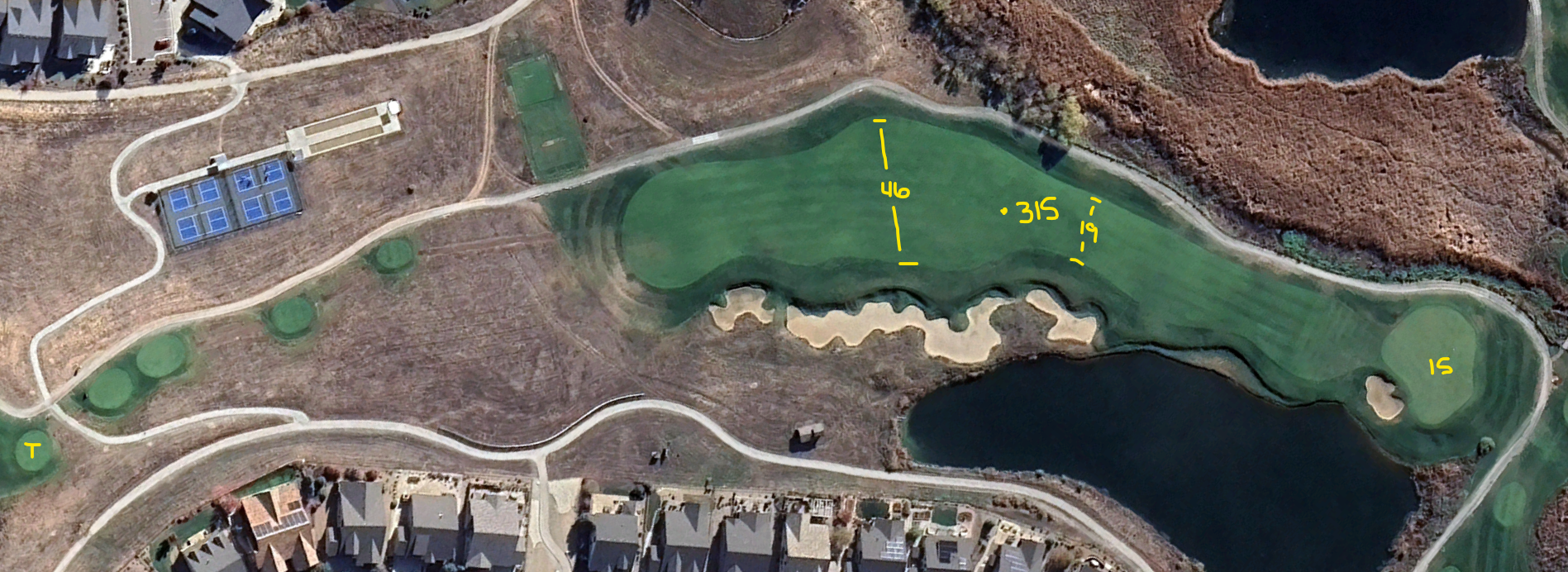
The par-4 fifteenth is a longer version of a similar template as the fourteenth, 460-yards from the back tee.
This time, the tee shot wraps around another Dye-waste-style bunker on the right, and significantly narrows in the landing area for driver (remember the elevation adjustment). Like the fourteenth, the further and more left that a player pushes, the better the angle into this tricky green. Conversely, a trip to the deep waste bunker on the right will be a certain bogey.
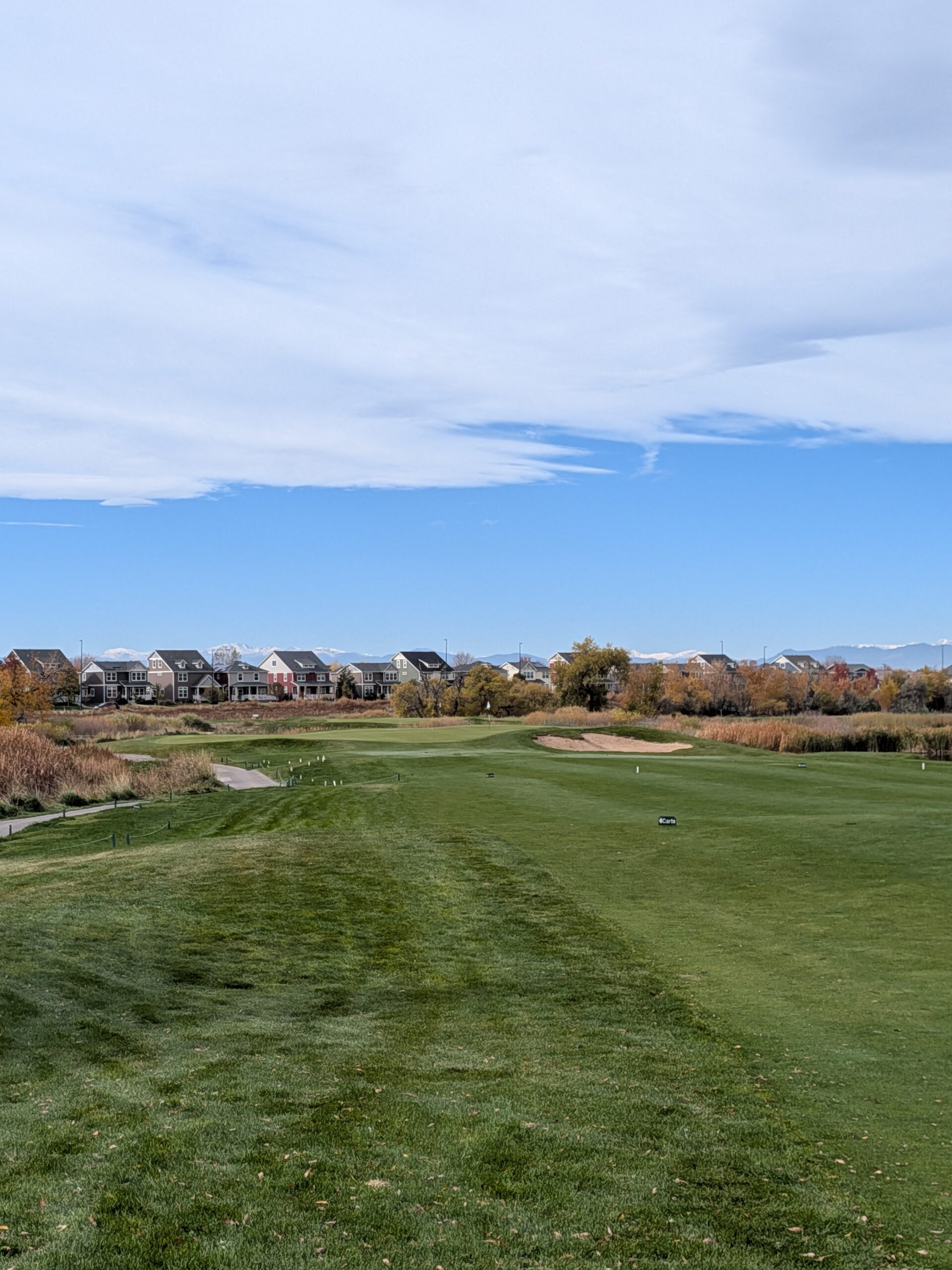
A deep bunker protects the front right of the green. Notice how the green is elevated above that bunker on the right, forming a bit of a V shape in undulation, funneling shots to the center of the green.
The sixteenth is the most strategically interesting hole at Green Valley Ranch. The sixteenth is technically a short par-4, with another option to attempt reaching the green from the tee. Here, that is not an advisable option for anyone having a decent round. Instead, most players will elect to play to the wide fairway, but like the seventh and eleventh, Perry Dye uses a group of trees on the right to significantly narrow the approach window into the green.
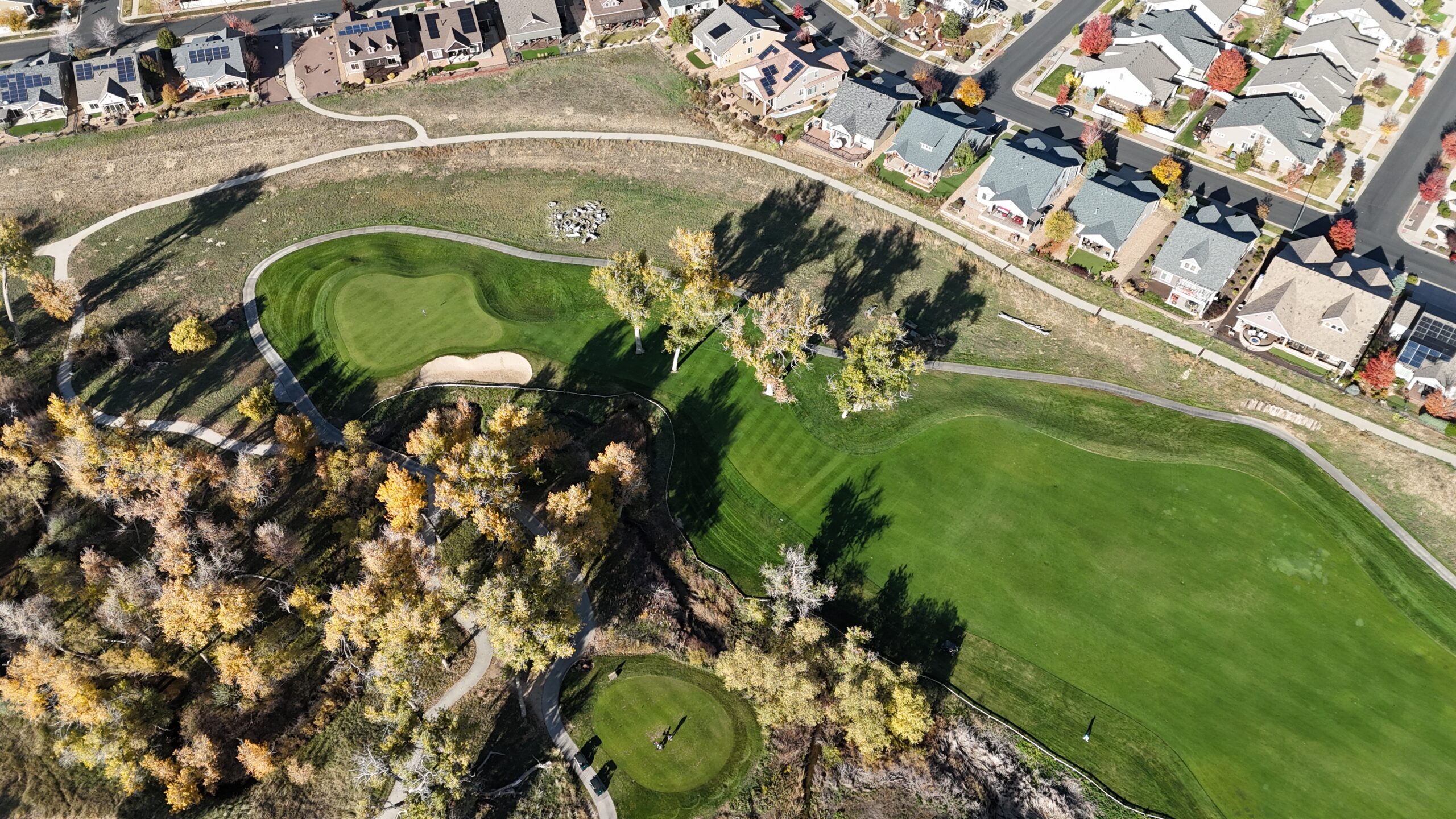
From around 100 yards out, the entire approach to the green is blocked by this group of trees, and any ball in the center of the fairway or right of center will have to negotiate these trees. The correct strategy is to lay much further back than expected to ensure ample opportunity to play over the top of the trees, something that was easily achieved by my pitching wedge, but would have been much more complicated if I were closer to the hole, or conversely, too far away and playing a lower lofted iron. The chief objective here is to leave yourself between 130-160 yards to the green, or any distance on the left third of the fairway.
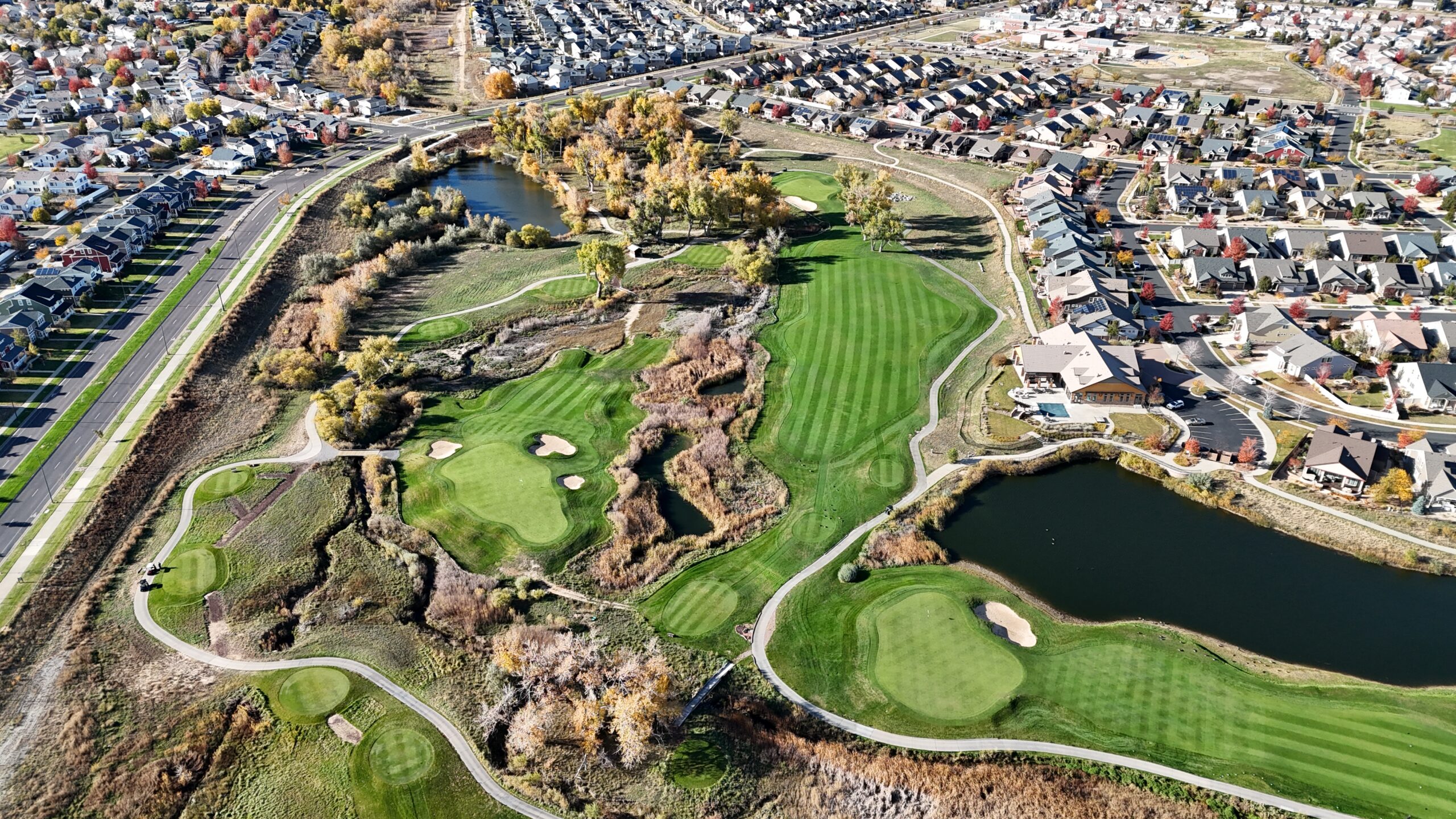
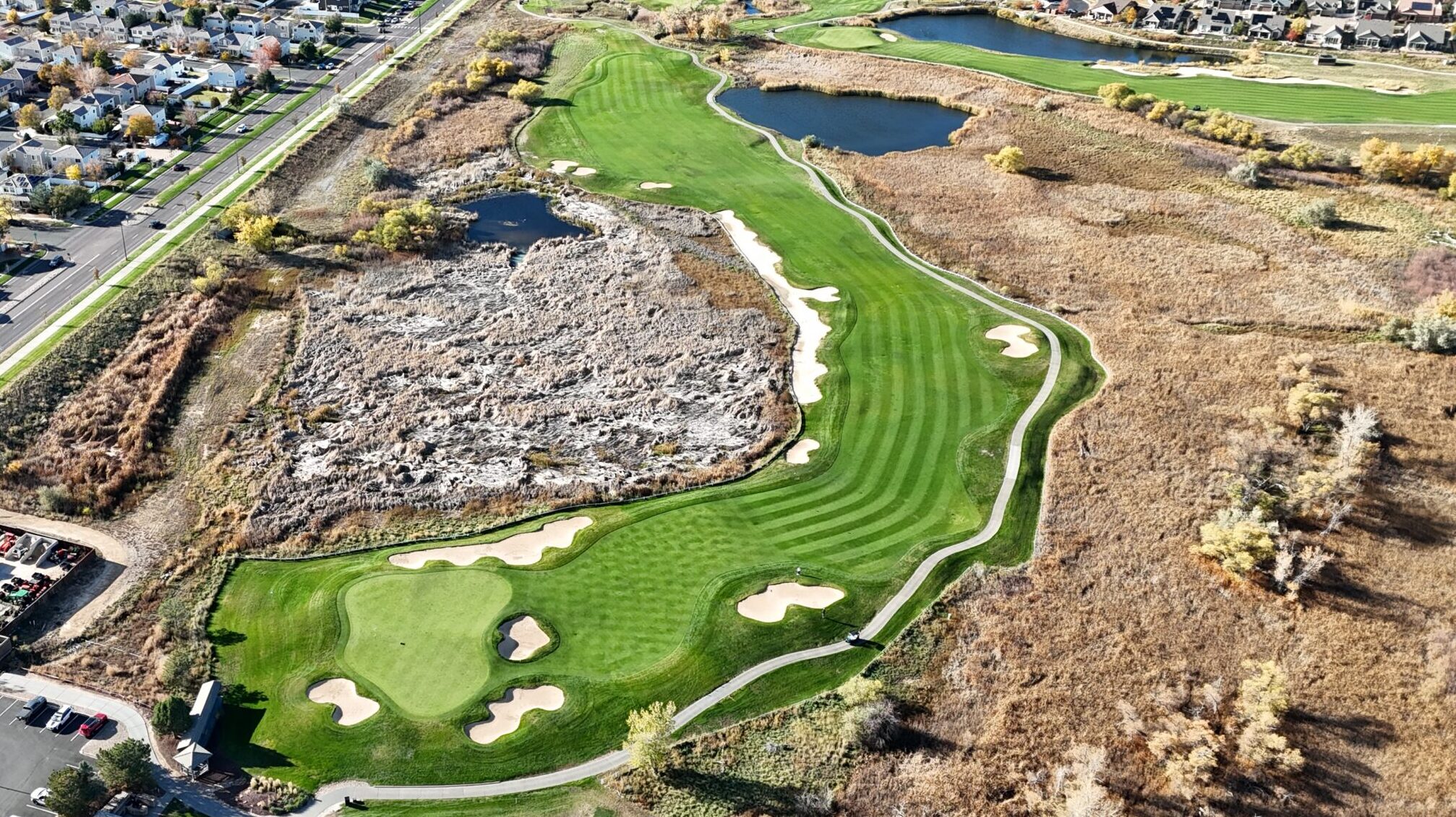
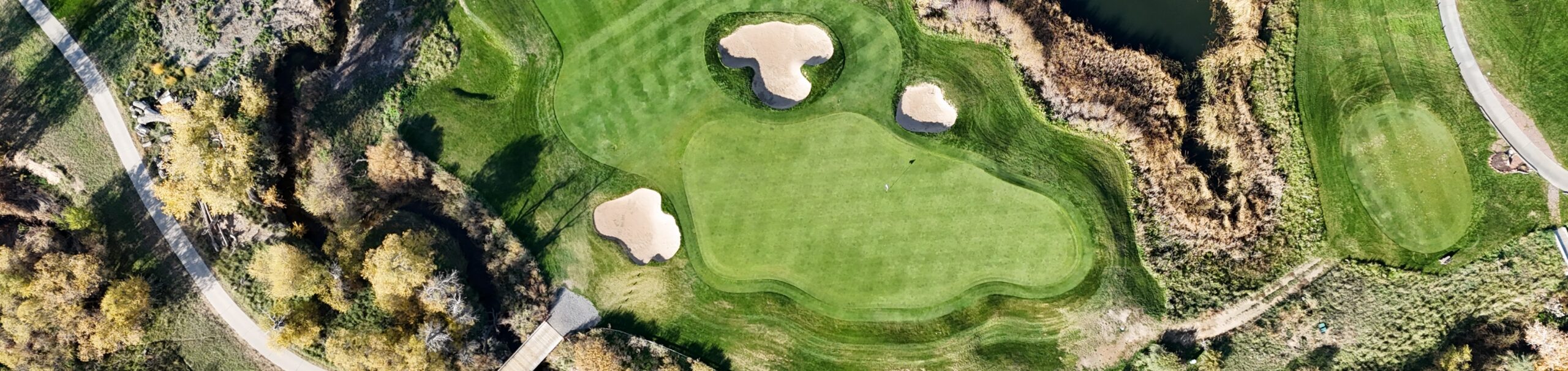
My favorite par-3 at Green Valley Ranch was the seventeenth, a fantastic mid-length par-3 played across the native prairie grasses and wetlands to a large green protected by two bunkers and deep swales on the left. Any recovery from off the green will be tough here, as any ball missing the large green will be bunkered, in one of the deep swales, or in the native grasses.
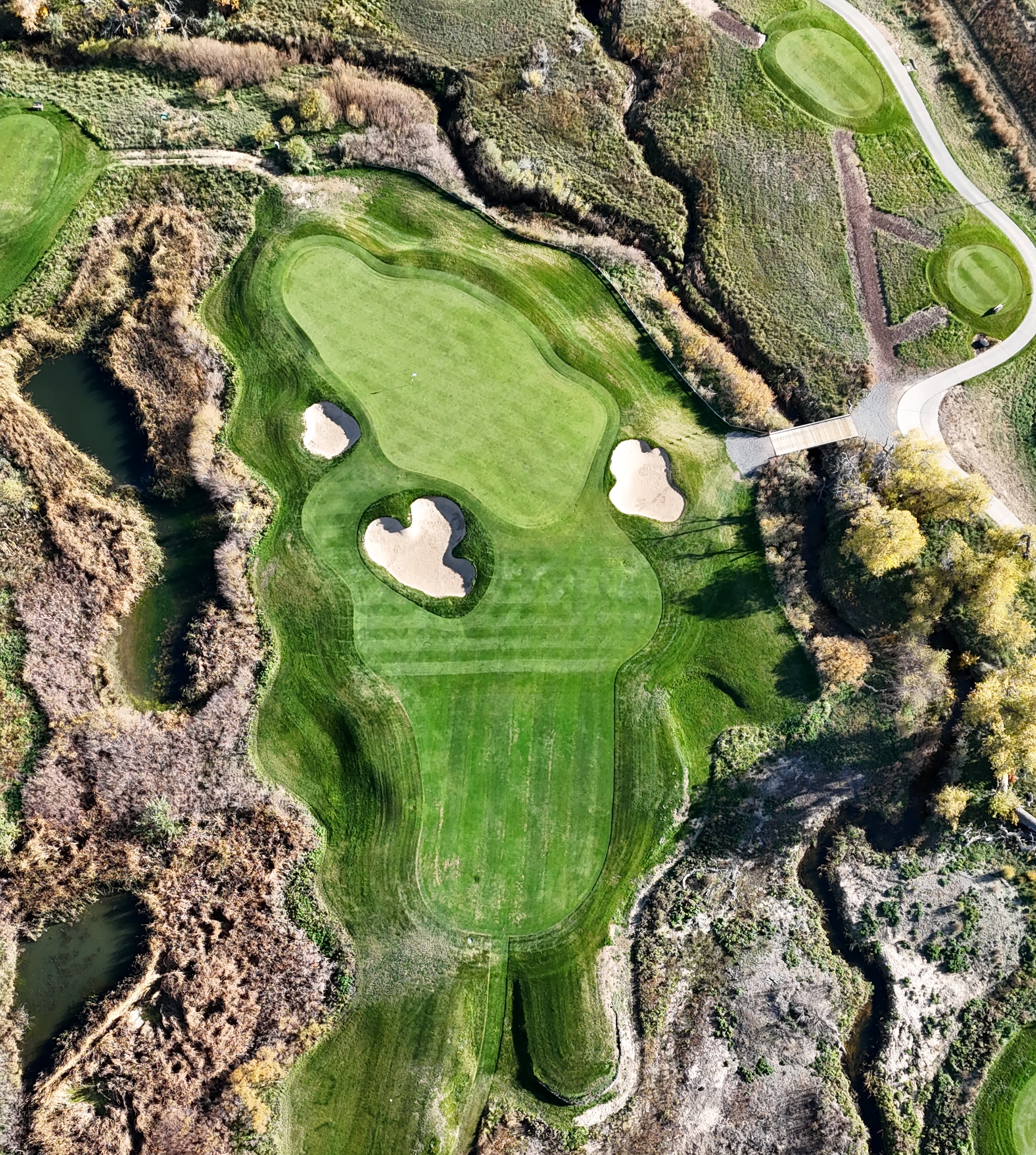
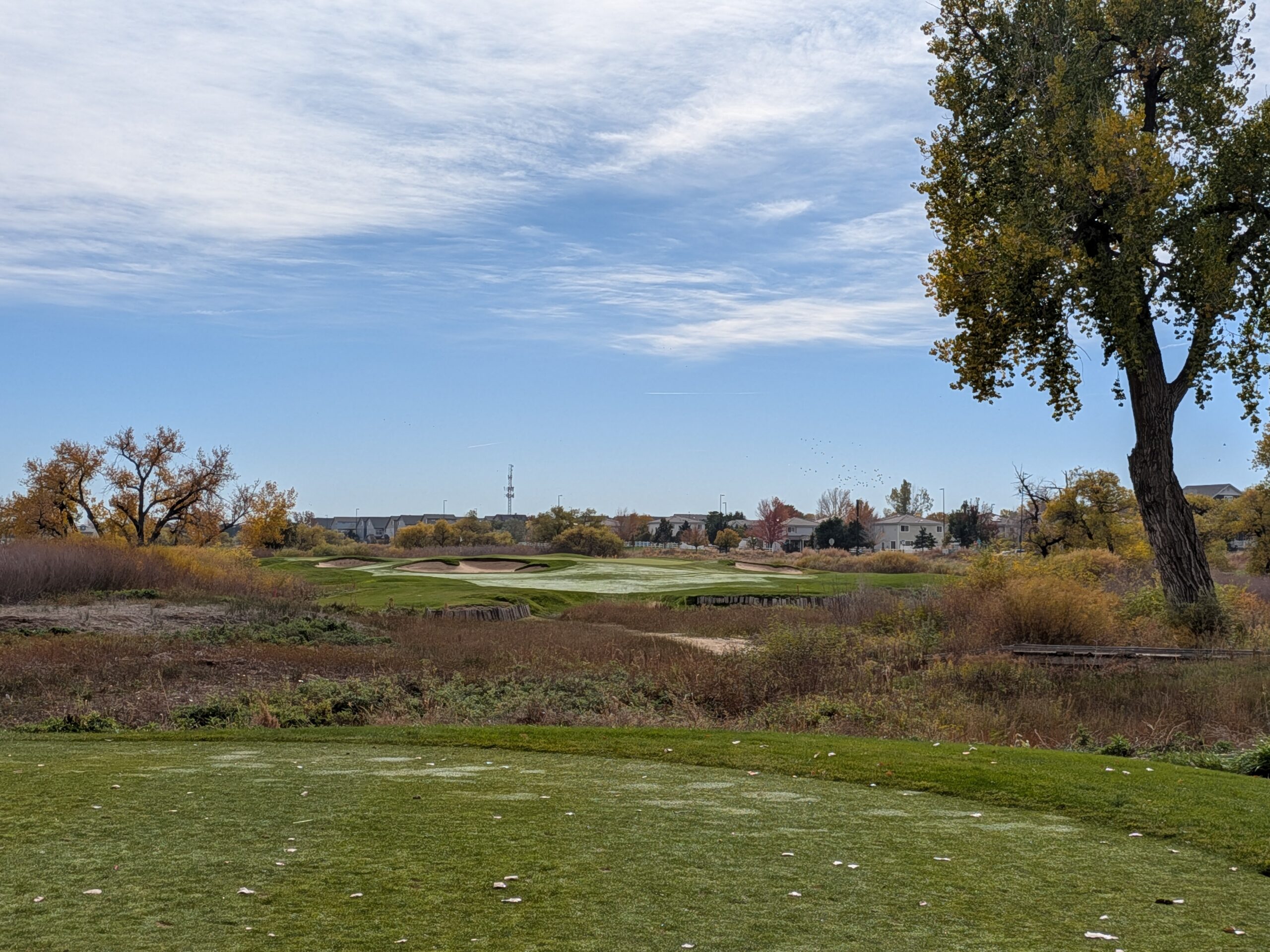
From above, Perry did a masterful job here. This particular hole looks more like it belongs at a Top-100 course than a random public course in Colorado. The seventeenth makes an absolutely beautiful photograph from above and from the tee, with native grasses and wetlands framing the large, elevated green.
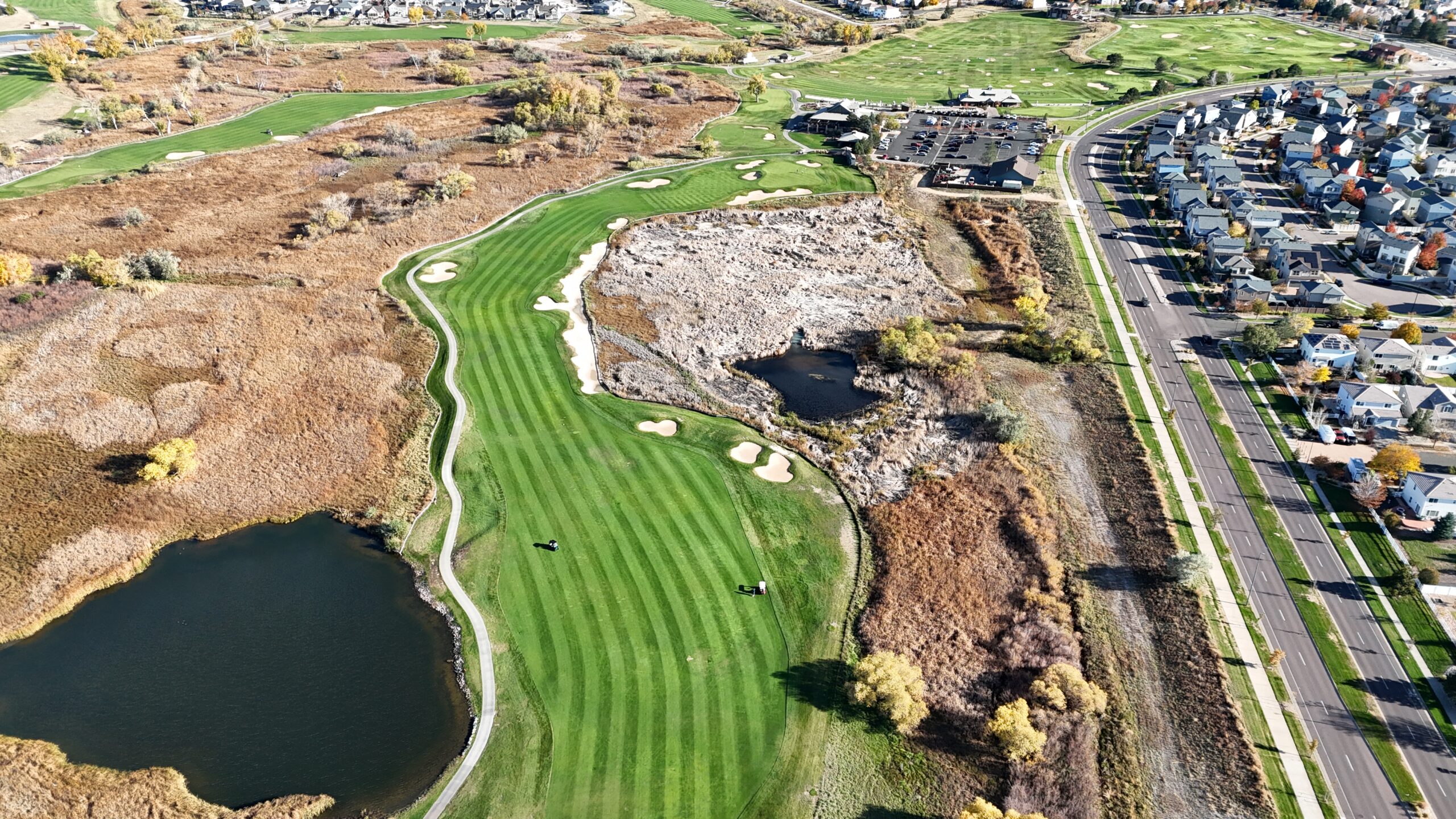
The eighteenth is a controversial, tough, long par-5 finishing hole. Your opinion of this hole may depend on the wind direction on the day you play, as the hole has a brutally tough layup if played into the wind. The measurement on this hole can be deceiving; although the scorecard yardage is 645 yards, taking the direct route to go for the green in two is only 590 yards. Playing the hole as a three shot par-5 requires a layup well to the left of the green, and increases the total yardage over 640 yards.
The eighteenth provides ample room in which to play a tee shot, but the layup areas are narrow, sometimes as narrow as 23 yards as it weaves through the native grasses. Into the wind, you will be forced to layup into this narrow area left of the Pebble-Beach-esque waste bunker to the right of the fairway; this may be the single toughest shot at Green Valley Ranch.
However, those that get the hole downwind will have the opportunity to carry the encroaching wetland on the right, carrying past the late dogleg into the wider area in front of the greenside bunkers. The longest players may even have a chance to go for the green.
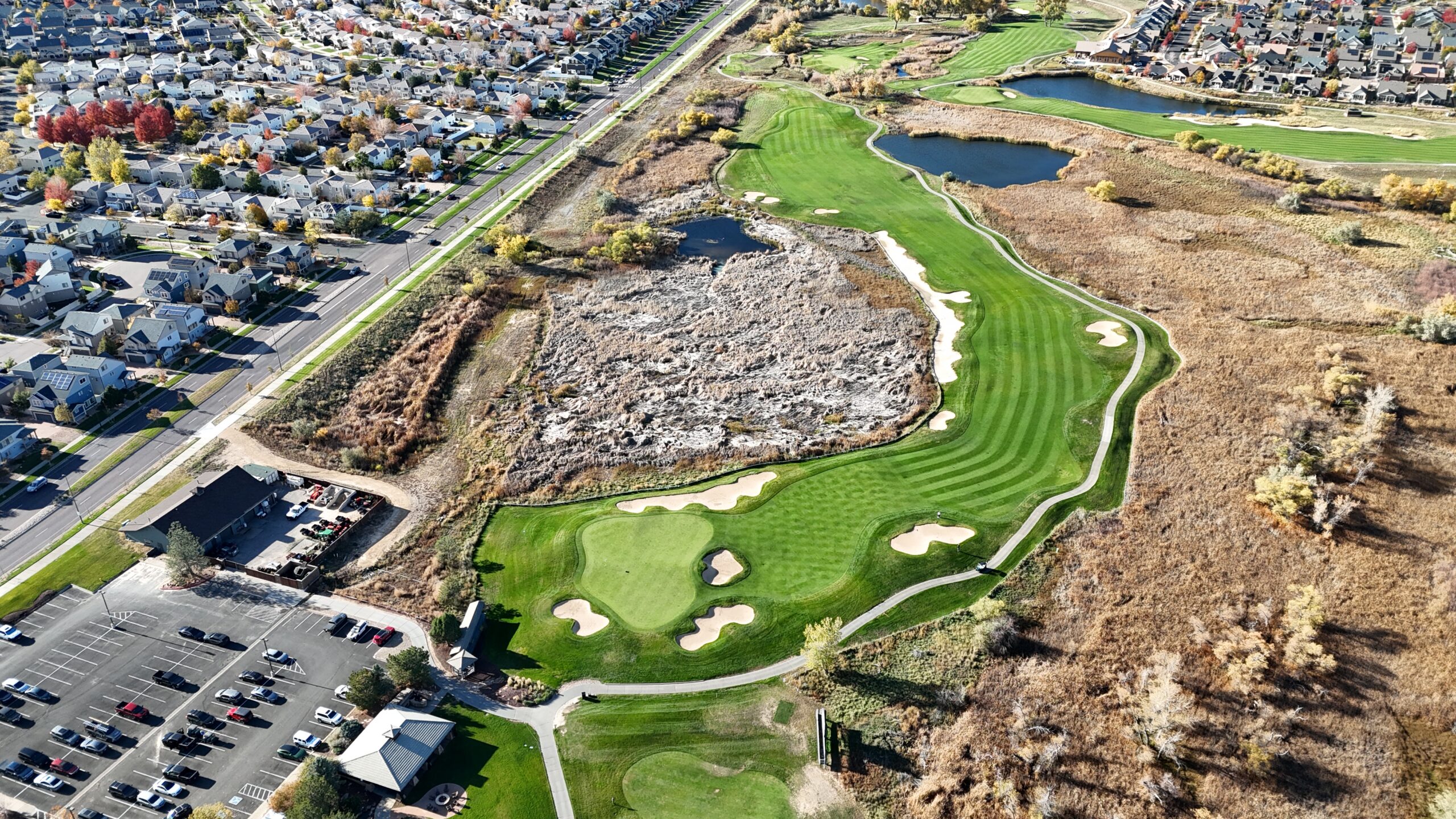
And that green is massive, one of the largest on property at 8,500 square feet, reflecting the difficulty that Dye anticipated on this hole. A large target for downwind attempts to reach the green in two, and a large target for 150-200 yard third shots for those unfortunate enough to be into the wind.
Final Thoughts
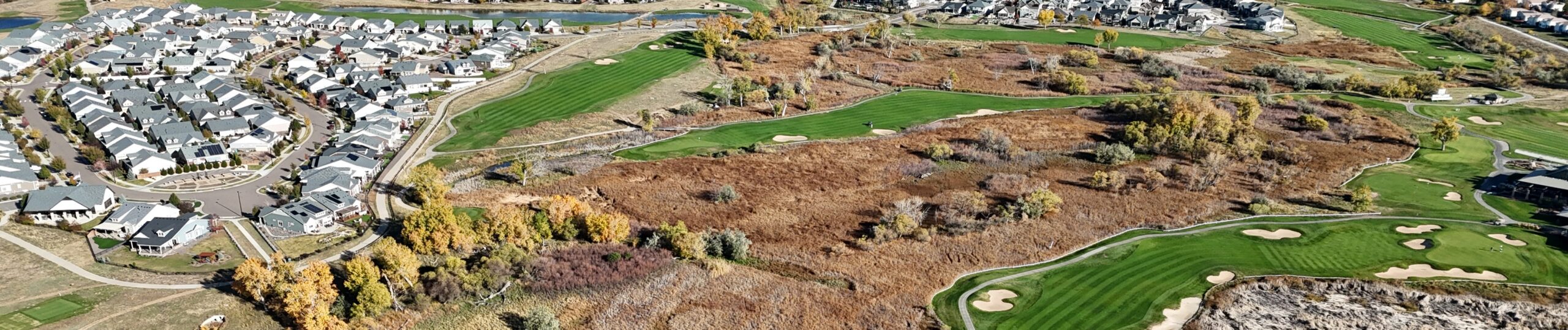
Conditioning at Green Valley Ranch was fantastic and the overhead photos show what incredible shape the course was in on our date of play. I noted a few trouble spots, but nothing that impacted the round. Greens were in great shape, receptive and fast.
At Gamble Sands, the views beyond the property did much of the work. Green Valley Ranch has no such help. Perry Dye did an incredible job with the plot of land he was given here. But, that land and surrounding area is what holds Green Valley Ranch back, perhaps unfairly. Houses, streets, and new construction surround it, and for many golfers and raters, that’s a dealbreaker. I’ve always found that unfair, especially when the homes are set back and out of play, as they are here.
Bring your eyes down from the horizon and onto the golf course, and you’ll find a strategic, well-conditioned Dye design full of options and character. It’s a touch too flat to join the most elite courses, but the architecture is strong, and Perry built its character from the preserved wetlands and native grasses within the property rather than borrowing it from the landscape beyond. Perry did find a couple opportunities for views of the distant Rockies, which are beautiful, particularly for those of us not from Denver.
That’s the tension at the heart of Green Valley Ranch. The state’s best players have competed here every year for more than two decades, yet the course doesn’t appear on a single major Colorado ranking. If it sat in Tennessee, my home state, it would be on par with the best public course in the state. In Colorado, it’s overshadowed by mountain courses with external views that Green Valley Ranch could never match. Judged on its golf alone, it deserves far more recognition than it gets. And just eight minutes from the airport, it’s a must-play for any golfer passing through Denver.
CR&J Final Rating:
Shot Options: 8
Challenge: 7
Layout Variety: 8
Distinctiveness: 6
Aesthetics: 7
Conditioning: 8
Character: 8
Fun: 7
Total: 59/80
Read More: How We Rate Courses
Rating Scale Details:
> 70: Top-50 U.S.
65-70: Top-200 U.S.,
60-65: Best-in-State List
57-60: Best-in-State List Contender
53-57: Very Good
48-53: Good
40-48: Average
< 40: Poor

Author: Kyle Taylor
Kyle is the lead course reviewer at The Course Review & Journal. Kyle has been playing golf for over twenty years, is a plus handicap, and actively competes in USGA and State Golf Association events. By trade, Kyle is an attorney.
Kyle Taylor is a pseudonym used by CR&J’s lead course reviewer to protect personal relationships. The reviews and opinions remain entirely the writer’s own.
Leave a Reply
You must be logged in to post a comment.