
Time to Read:
|
CR&J Final Rating of Stonehenge Golf Club: 48/80 (Good)
CR&J Final Rating of Heatherhurst Brae: 44/80 (Average)
CR&J Final Rating of Dorchester Golf Club: 41/80 (Average)
CR&J Final Rating of Heatherhurst Crag: 39/80 (Poor)
This review will be much different than the many that have came before it, because we have to address something important. Public golf is in a bad state.
As everyone knows, Covid increased the popularity of golf in a way that nobody could have expected. Golf courses take years to build, and currently, we are five years from the Covid boom. Essentially, the supply of tee times, golf course resources, golf course staff, maintenance workers, golf course manufacturers, and the like remain close to their pre-covid levels. Golfers, however, are not at pre-covid levels; there are far more of them, and many are new to the game
Those of us who have been here for a while have one of a few different perspectives. One group thinks growing the game is incredibly important. Long-term, they are correct. But, another group thinks that covid may have been the worst thing to happen to the upper-middle class golfer, because the effects have been damning. The evidence for this feeling is concrete.
Country club initiation fees and waitlists are at all-time highs; those who are already members at clubs are now locked in to that membership like a homeowner with a low interest rate. Ten years ago, switching clubs may have cost $5,000; now it will cost $100,000 and four years on a waitlist. Club monthly fees are rising too, because clubs can take advantage of the increased demand and lengthy waitlist. Even clubs are currently not incentivised to provide excellent service, when there’s a full waitlist of families willing to pay $50,000 before making their first tee time, eating at the restaurant, or visiting the pool.
Accordingly, those priced out of private golf play public courses. They share those courses with an interesting demographic of people: the elderly who have had their same 7:30am game for years, the ladies who have walked the same public course every afternoon for years, the new 28-year old group of guys that have just discovered the addictive nature of golf and alcohol ingestion, the upper-middle class professional who gets to play once a week, the dad who gets out with his kid a few weekdays a month, etc.
It has always been that mixture of folks, but suddenly, post-covid, there is more of everybody. Many, many of those golfers have picked up the game in the last five years. Many of that cohort have taught themselves the game, the etiquette, and the expectations. Some of that cohort have gotten that wrong.
Now, every public course I visit is invariably the same: five-plus hour rounds, full tee sheets from the moment the tee sheet is released, various music genres audible from fairways away, playing partners who are not familiar with the basic etiquette and procedures of the game and the social, gentlemanly aspect thereof.
Public golf is in the worst place it has ever been for the golfer. But, public golf is in the best place it has ever been for the golf course owner.
But, lost in the discussion is the public golf course worker. Admittedly, the staff has had a tough couple of years, corralling and marshaling people, many of which are new to the game and are unfamiliar with the expectations. Noticeably, this has hardened them.
Presumably, because of the bullshit they must deal with on a day-to-day basis, almost every starter, ranger, or pro shop worker I have met lately has been a hardened, miserable individual. Perhaps it’s my age or my young appearance and they are mistaking me for the “bro” who is drunk before he arrives for his tee time. But, invariably, hospitality is completely absent; not even a thought. Few people that work at a public golf course right now have any concept of how to treat a paying customer. Visiting a public golf course is consent to be treated as a paying nuisance.
This creates a feedback loop, where the good customers realize that this treatment is not normal, and look for other places to play or forego playing at all, leaving more tee times for those who fail to respect the staff, the course, and the game; further hardening the course staff.
There is a significant internal struggle happening in public golf between the staff and the customer, and both sides are to blame.
“WHERE DO YOU THINK YOU’RE GOING?”
I walked off a golf course for the first time in my life this week. I arrived at Stonehenge Golf Course, the crown jewel of the Fairfield Glade Resort in the self-proclaimed Golf Capital of Tennessee. I had played Stonehenge once before and knew what I would say in this review. I was planning to play, photograph, and do some drone-work after the round. I arrived at 6:20am for my 7:20am tee time. I warmed up on the range and putted, and was ready for a great round.
I estimate that I’ve played over 2,000 rounds of golf in my life. This was the first time I have ever completed my full warm up and left the golf course.
I left because of an incident with the starter. At 7:18am, with no starter visible at the cart staging area, I began driving my cart toward the first tee.
The starter came running out of the clubhouse.
“Where do you think YOU’RE going?”
“To the first tee,” I explained.
“THE ONLY PLACE YOU CAN TAKE THE GOLF CART IS TO THE PARKING LOT.”
I again explained that I wasn’t going to the parking lot. I was going to the first tee. I had the 7:20 tee time in two minutes.
“Not without me releasing you first, you’re not.”
All in the tone of how you’d talk to your 12-year old when they are explicitly disobeying. Except, I’m not a 12 year old boy; I am an attorney who has litigated for 10 years of my life. There is a certain decorum I expect when spoken to, and it is a non-negotiable for me.
I turned to my playing partner and asked whether he wanted to continue under these conditions or get a refund and go home. We unstrapped our bags, left the cart sitting in the middle of the path where the starter had stopped us, and walked back to the car.
The Fairfield Glade system works like this: carts are lined up in a specific order with tee times posted on each one, and players are not permitted to move their assigned cart until the starter formally releases them. The system is meant to enforce tee-time order. I had not been told about the level of seriousness in which they viewed this; rather, I was operating upon the rules of golf – to be ready to put my tee shot in the air at exactly 7:20am. It was two minutes before the tee time; it was time to head to the first tee.
That hardened golf course starter likely acts like that all day to every group. This interaction was just a microcosm of the atmosphere of public golf. An atmosphere of miserable workers, an eclectic mix unsatisfied or oblivious golfers, and course owners who are, rather reasonably, taking advantage of the suddenly advantageous business environment.
But golf is a gentleman’s game, and one that I obviously care so deeply about, and it makes me very sad about the state of public golf in America.
The starter’s statement got me thinking: where DO we think we are going? Because at this pace, we are going to make golf so unenjoyable that whatever gains we have made to “grow the game” are going to be eroded by unpleasant staff, unruly fellow golfers, and unenjoyable experiences. It seems inevitable that the growth of the game will lead us to an outcome that was a little different to where we thought we were going, unless something changes quickly.
But I do know where I am going: home.
Fairfield Glade Resort Review
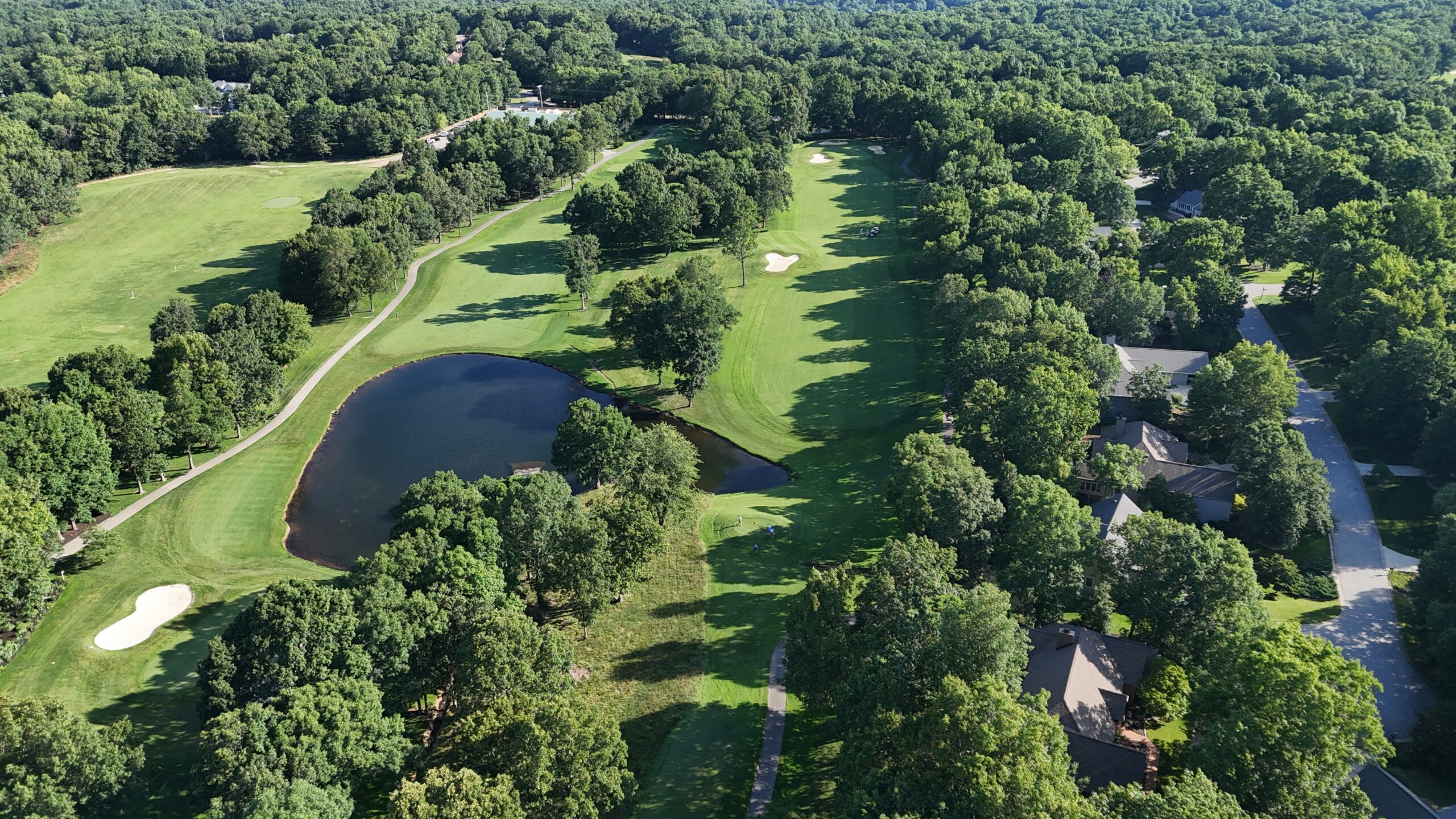
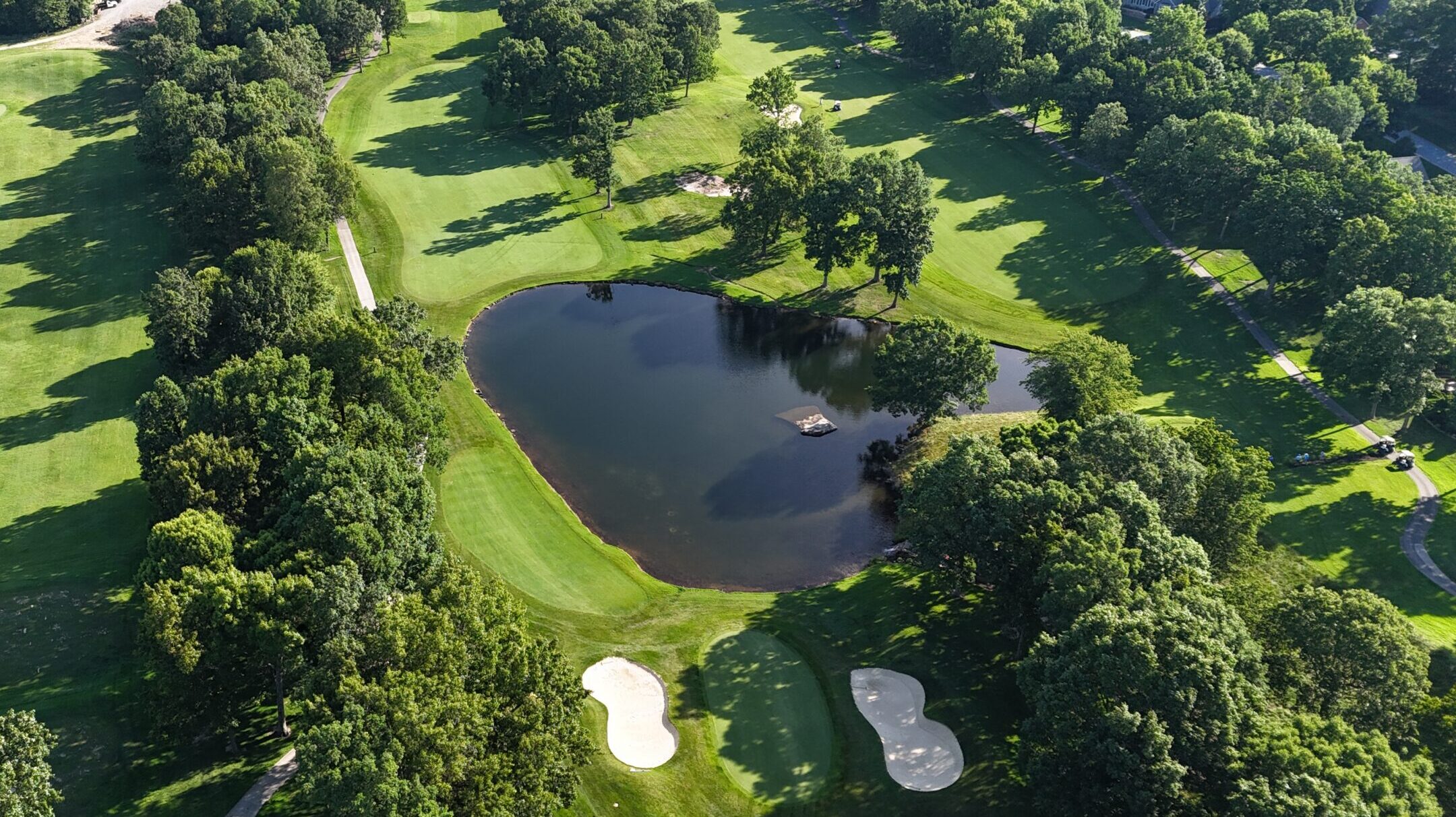
Fairfield Glade has five courses: Stonehenge, Heatherhurst Brae, Heatherhurst Crag, Dorchester Golf Club, and Druid Hills. For the traveling golfer, Stonehenge is the only course worth playing, and even it is marginal, propped up by its scenery on a few of the back nine holes.
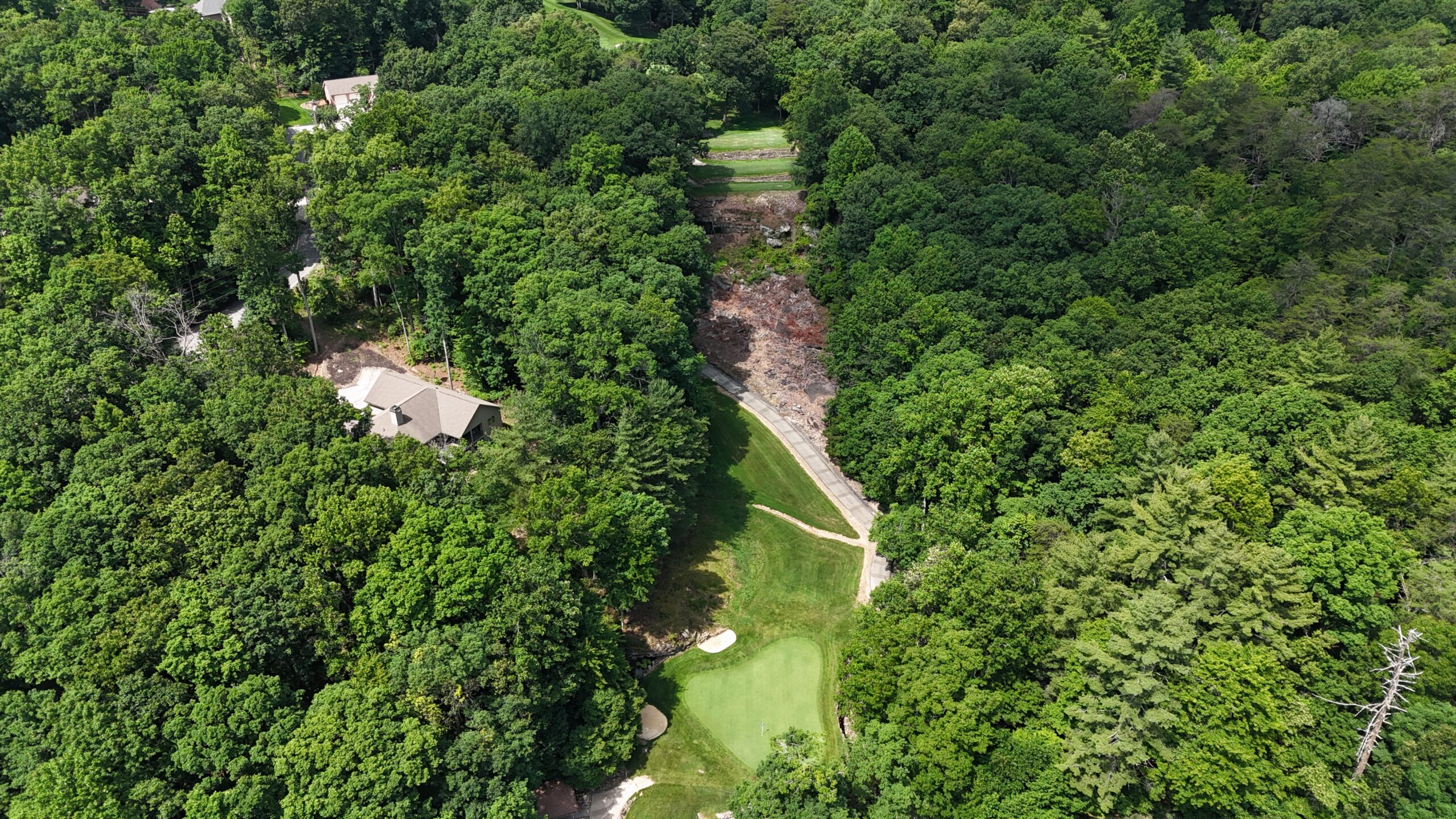
The other courses are barely nicer than old municipal courses where every hole is straight and there is a circle green at the end. But, they are a little nicer. The conditioning is good but substandard, as I believe their fairway and tee box mowing height is too high, making the course photograph great but not play so great. The fairways at any of the Fairfield Glade resorts would be the same height as the first cut of rough at a first-rate course.

All-in-all, due to the significant customer service concerns I have and the pedestrian nature of the golf courses, I wouldn’t recommend a visit that Fairfield Glade by anyone, and would only consider playing Stonehenge (and Stonehenge only) if I were passing through the area and had extra time.
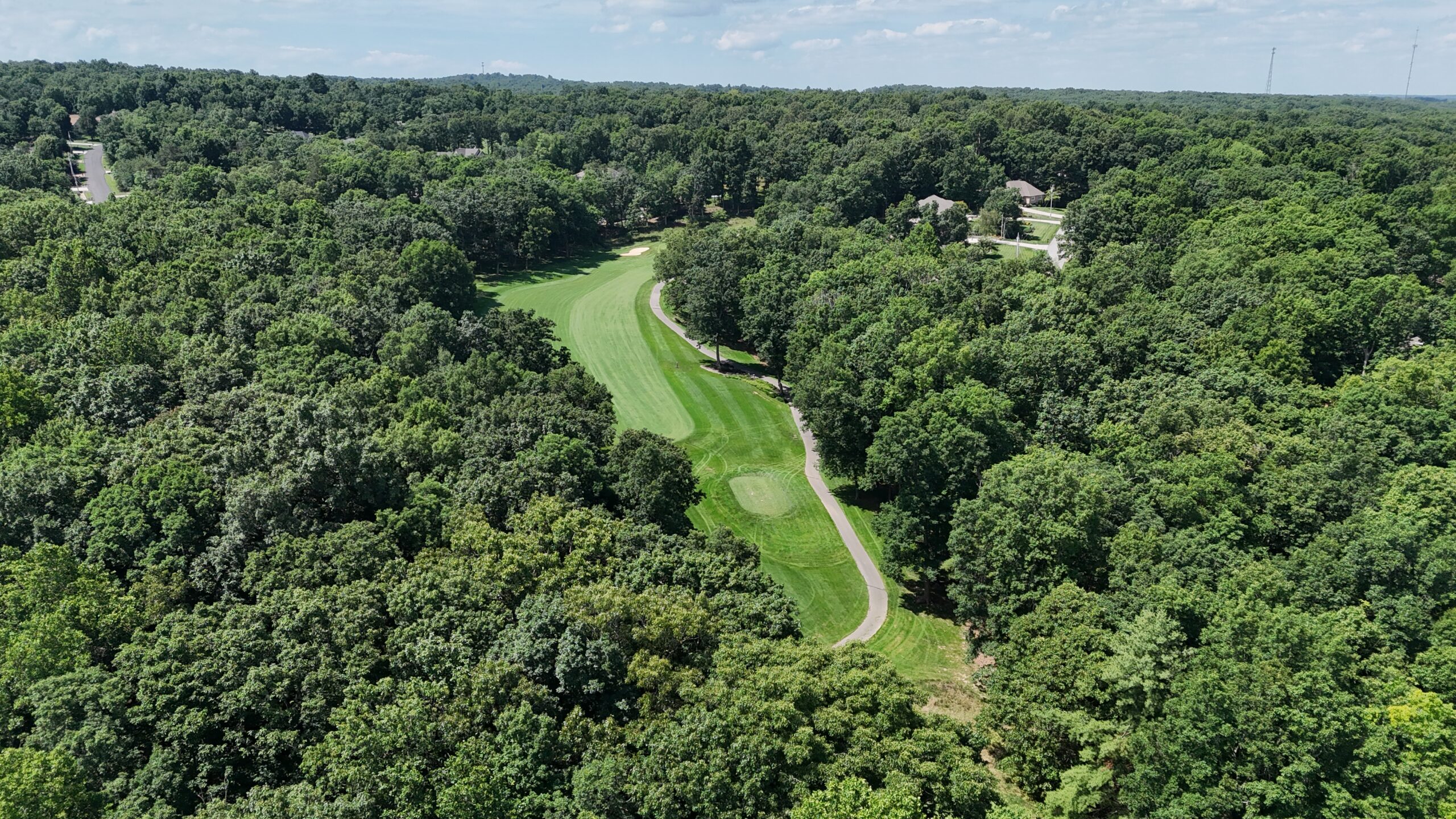
CR&J Final Rating of Stonehenge Golf Club – Shot Options: 7; Challenge: 6; Layout Variety: 5; Distinctiveness: 4; Aesthetics: 7; Conditioning: 7; Character: 5; Fun: 7. Total: 48/80 (Good)
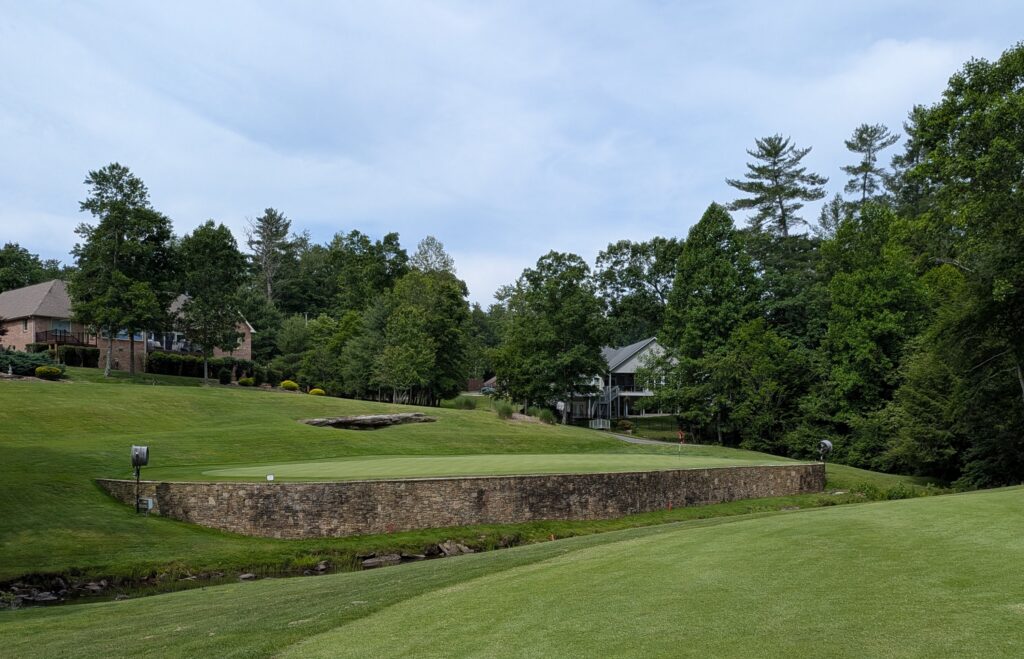
CR&J Final Rating of Heatherhurst Brae – Shot Options: 5; Challenge: 5; Layout Variety: 4; Distinctiveness: 5; Aesthetics: 6; Conditioning: 7; Character: 6; Fun: 6. Total: 44/80 (Average)
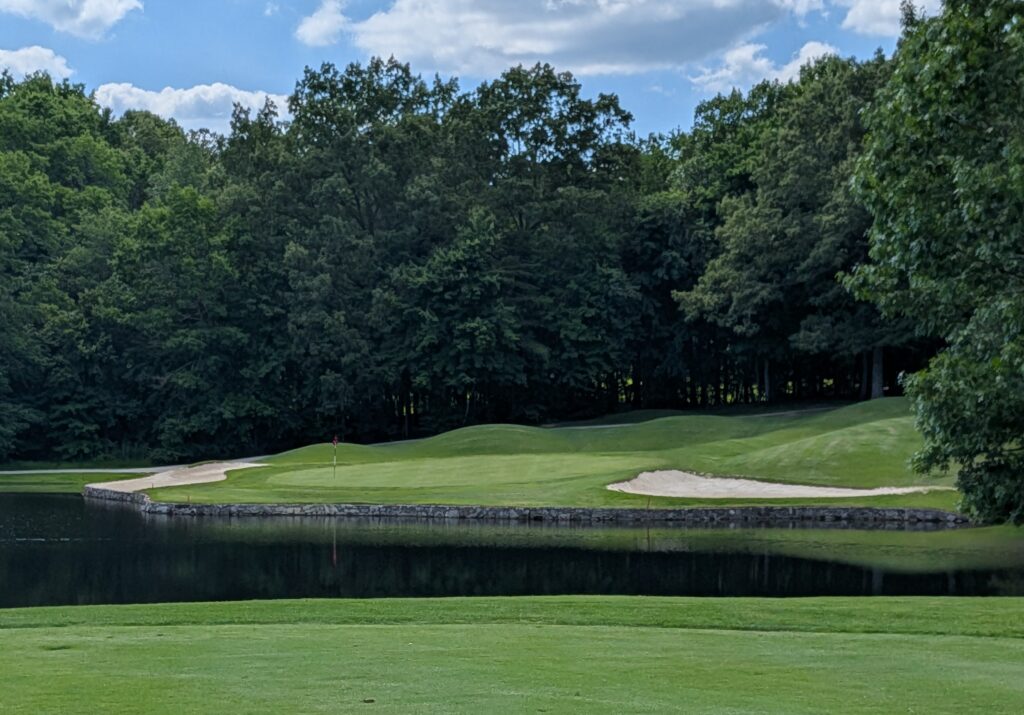
CR&J Final Rating of Dorchester Golf Club – Shot Options: 3; Challenge: 6; Layout Variety: 4; Distinctiveness: 5; Aesthetics: 7; Conditioning: 6; Character: 6; Fun: 4. Total: 41/80 (Average)
CR&J Final Rating of Heatherhurst Crag – Shot Options: 5; Challenge: 3; Layout Variety: 2; Distinctiveness: 4; Aesthetics: 7; Conditioning: 7; Character: 5; Fun: 6. Total: 39/80 (Poor)
Read More: How We Rate Courses
Rating Scale Details:
> 70: Top-50 U.S.
65-70: Top-200 U.S.,
60-65: Best-in-State List
57-60: Best-in-state List Contender
53-57: Very Good
48-53: Good
40-48: Average
< 40: Poor

Author: Kyle Taylor
Kyle is the lead course reviewer at The Course Review & Journal. Kyle has been playing golf for over twenty years, is a plus handicap, and actively competes in USGA and State Golf Association events. By trade, Kyle is an attorney.
Kyle Taylor is a pseudonym used by CR&J’s lead course reviewer to protect personal relationships. The reviews and opinions remain entirely the writer’s own.
Leave a Reply
You must be logged in to post a comment.